Introduction
With all the buzz around Industry 4.0, it’s easy to get caught up in the tech side of things, automation, AI, smart machines. Everyone’s racing to digitize their factory floors, but there’s one big oversight that often happens in this rush: the human workforce.
Here’s the truth: no matter how advanced your systems are, it’s the people on the ground who keep things running. They’re the ones who spot issues, make decisions, and drive real innovation. If your employees don’t have the right tools, visibility, and information, all that technology won’t deliver its full potential.
That’s where digital signage comes in. It’s not just a flashy screen—it’s a tool that empowers your workers by giving them real-time insights into operations, improving their skills, and keeping safety front and center. In the world of smart factories, digital signage bridges the gap between high-tech systems and human expertise, making sure your team has everything they need to thrive. Read more.
Industry 4.0 Is Well Underway
Industry 4.0 is already here, and it’s changing how factories work. With smart systems, machines can monitor production and flag issues. But even with all this tech, it’s still your team that makes the critical decisions.
For example, if a machine detects a problem, it can send out an alert. But it’s your workers who step in, figure out what’s wrong, and stop things from getting worse. That’s why digital signage software is so important, it gives your team the data they need, right when they need it, so they can take action.
In the end, Industry 4.0 is about combining smart technology with skilled people to get the best results.
The human-digital partnership
In today’s factories, the best results come from machines and humans working together. Instead of just thinking about digitizing everything, it’s important to recognize that skilled workers are essential in making those digital systems effective.
While machines can collect and process data, they can’t interpret it like a human can. That’s where your workforce steps in. They are the ones who understand the context and can make the right decisions based on the data provided.
Think of digital signage as the factory’s nervous system. With L Squared’s platform, workers receive essential information instantly, allowing them to react quickly to changing conditions. By combining this technology with their expertise, employees can interpret data in context, leading to better decision-making and a more efficient workflow.
In the end, a successful factory relies on both advanced technology and the expertise of its people. Together, they can create an environment where innovation and efficiency thrive.
Breaking Down the Digital Walls
As factories move toward digital solutions, it’s crucial to break down the silos that often exist in traditional operations. In many plants, information gets stuck in departments, limiting access for the workers who need it most. This is where democratizing data comes into play.
By strategically placing digital displays throughout the facility, you empower all levels of workers to access vital information. Whether it’s production stats, safety alerts, or supply chain updates, having real-time data at their fingertips helps everyone stay informed and engaged.
When workers at all levels have access to information, it fosters bottom-up innovation and helps create a more agile and responsive manufacturing environment.
The shop floor revolution
The shift toward Industry 4.0 is not just about adopting new technologies; it’s about changing how decisions are made on the shop floor.
- Empower Workers: Moving away from top-down decision-making means workers can act quickly based on real-time data. Digital signage helps them monitor machines and identify issues immediately.
- Change Management Roles: Managers can shift from being the sole decision-makers to becoming coaches who guide their teams in interpreting data and making decisions.
- Real-World Example: In a facility that embraced this approach, managers worked alongside teams to analyze data from digital displays. This collaboration improved product quality and reduced waste.
- Benefits of Quick Decision-Making: When workers feel empowered to make decisions, it leads to faster responses to problems and a greater sense of ownership over their work.
The pressure paradox
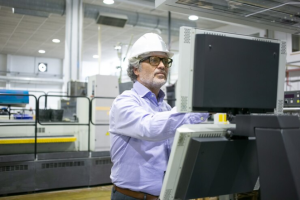
In many factories, displaying key performance indicators (KPIs) and metrics is a common practice. However, constantly seeing these numbers can lead to a paradox: while they’re meant to motivate workers, they can also create pressure.
Over time, employees may become desensitized to these constant measurements. What starts as a motivator can turn into background noise, making it harder for them to focus on meaningful improvements.
For example, there was a team that initially struggled with visible metrics. They felt stressed by the constant scrutiny and pressure to perform. But after some time, they shifted their focus from merely responding to the numbers to truly understanding the data.
This change led to improved performance as they became more engaged and invested in their work.
Upskilling at the speed of business
In today’s fast-paced factories, upskilling workers is crucial. Traditional training programs can disrupt workflow and take employees away from their tasks. Digital signage changes that by integrating learning into daily routines.
With digital displays on the shop floor, workers can access training materials, safety protocols, and skill development resources right where they work. This means they can learn at their own pace without stepping away from their responsibilities.
For example, a company that set up digital learning stations saw a noticeable improvement. Employees were able to engage with interactive content and quickly apply new skills in real-time. This not only boosted their confidence but also led to better efficiency and productivity on the floor. Read more.
By prioritizing continuous, on-the-job learning through digital signage, factories can adapt to new challenges without the disruptions of traditional training methods.
Safety first, but make it smart
In manufacturing, safety is always a top priority. Digital signage plays a key role in enhancing safety protocols by providing real-time alerts and information. However, it’s important to avoid creating a false sense of security where workers rely solely on digital alerts.
A balanced approach is essential. While digital signage can deliver timely updates about hazards, it should work alongside human vigilance. For example, in a facility that used digital alerts for potential hazards, the combination of alerts and employee awareness helped prevent a serious accident.
Workers stayed engaged and aware of their surroundings, using both digital information and their instincts to maintain a safe environment.
Digital signage can be a powerful tool for safety, but it should support, not replace, natural safety instincts. By fostering a culture where workers remain alert and informed, companies can create a safer workplace.
The New Language of Work
Digital signage is more than just a display tool; it’s becoming the interface between digital systems and human workers. As technology evolves, workers are developing new ways to communicate with machines, creating a tech-symbiotic workforce.
L Squared’s digital signage solutions help facilitate this communication by presenting data in a clear, engaging manner. For instance, workers can interpret complex metrics at a glance, enabling them to respond quickly to changes on the shop floor. With these tools, employees can create their own shorthand or new forms of communication that help them interact with digital displays more effectively.
Looking ahead, factories will likely see an even deeper integration of humans and AI systems. The goal is to create environments where workers and machines collaborate seamlessly, driving innovation and productivity together.
Rethinking shifts and communication
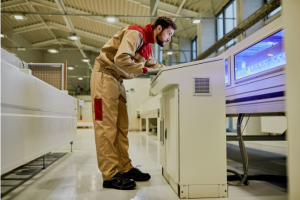
As the flow of information becomes continuous, traditional shift structures may need to evolve. With real-time data available, factories could explore more flexible and overlapping work schedules that better meet the demands of the operation.
This shift presents both challenges and opportunities. While it can create a “factory that doesn’t sleep,” it also raises questions about worker well-being. Maintaining a balance between continuous operation and ensuring employees have adequate rest is crucial.
A real-world example of this can be seen in a manufacturing plant that implemented flexible scheduling based on real-time data. Workers were able to adjust their shifts according to production needs, leading to improved efficiency without compromising their well-being.
This kind of adaptability can pave the way for a more responsive and productive manufacturing environment.
The True ROI: Cultural Transformation
When it comes to investing in digital solutions, many companies focus on immediate financial returns. However, the real value lies in creating an engaged and loyal workforce. Digital signage can play a crucial role in building a culture of innovation and adaptability.
By using digital displays to share updates, successes, and learning opportunities, companies can foster a sense of community among employees. This not only enhances communication but also motivates workers to contribute their ideas and solutions.
A great example of this is the success seen by CHEP, a global supply chain solutions company. They utilized L Squared hub to improve internal communications and engage their employees in real-time operations. As a result, they saw enhanced collaboration and increased employee satisfaction. You can read more about their journey and results here.
By looking beyond immediate financial returns and focusing on cultural transformation, businesses can cultivate a workforce that is aligned with their technological advancements.
Conclusion
As we move further into the era of Industry 4.0, it’s clear that human workers are the most valuable asset. Digital signage should be viewed as a tool for empowerment, not just a way to display information. By focusing on enhancing human capabilities and decision-making, companies can drive innovation and adaptability.
The future of manufacturing lies in skilled, informed workers who are augmented by technology. Investing in human-centric approaches to digital transformation will give businesses a competitive edge, harmonizing human potential with technological advancement.