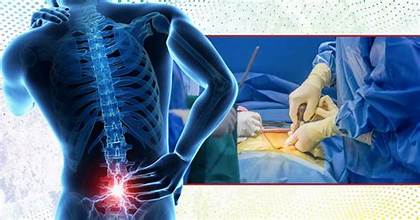
What Is The Newest Treatment For Spinal Stenosis? Spinal stenosis is a condition characterized by the narrowing of the spaces within the spine, which can lead to nerve compression, pain, and mobility issues. It commonly affects older adults, causing discomfort and limiting their quality of life. However, medical advancements in recent years have brought about numerous treatment options, including innovative therapies and surgical approaches.
This article will explore the latest advancements in spinal stenosis treatments, highlighting how they are revolutionizing patient care and providing hope for those living with this condition. By understanding these breakthroughs, patients can make informed decisions about managing their symptoms effectively.
Exploring Cutting-Edge Treatments for Spinal Stenosis

Cutting-edge treatments for spinal stenosis have made significant strides in recent years, offering patients more effective options for managing this debilitating condition. One of the most promising advancements is the development of minimally invasive surgeries, such as endoscopic spine surgery. This technique allows for smaller incisions, reduced risk of infection, and faster recovery times compared to traditional open surgery.
Additionally, advancements in biologics, such as stem cell therapy and platelet-rich plasma (PRP) injections, are being explored as non-surgical treatments. These therapies aim to promote healing and regeneration of damaged tissues, providing relief from pain and improving mobility. Another breakthrough involves the use of neurostimulation devices, which deliver electrical impulses to the spine to help control pain.
These devices can be implanted to provide long-term relief without the need for ongoing medication. With these cutting-edge treatments, patients suffering from spinal stenosis now have access to less invasive, highly effective options that can significantly improve their quality of life.
Latest Advances in Spinal Stenosis Therapy
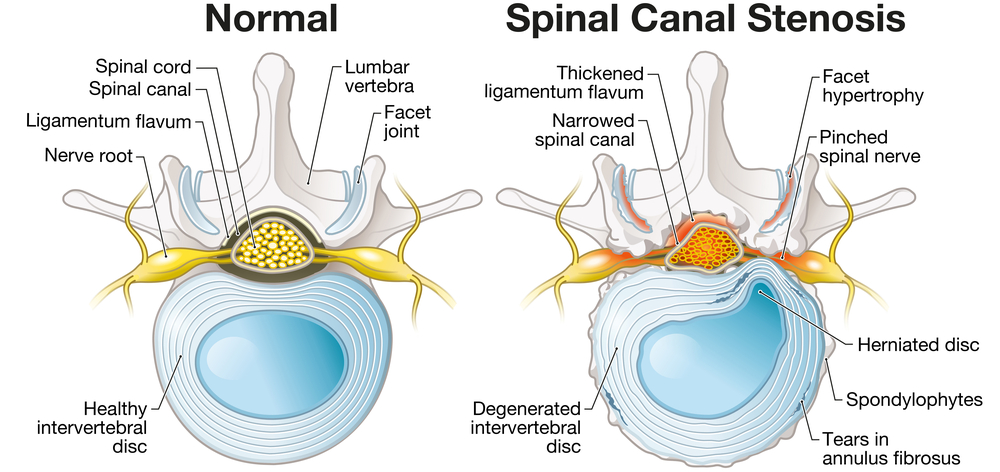
The latest advances in spinal stenosis therapy have significantly improved outcomes for patients, providing new hope for those suffering from chronic pain and mobility issues. One of the most notable developments is the use of minimally invasive surgical techniques, which reduce recovery time and the risk of complications compared to traditional open surgery.
Procedures like decompression surgery and laminectomy are now being performed with smaller incisions, using advanced imaging technology to guide the surgeon’s movements precisely. Furthermore, spinal fusion techniques have been enhanced with new materials such as biological bone grafts and synthetic discs, promoting faster healing and better stability. In addition to surgical treatments, non-invasive therapies are also making a difference.
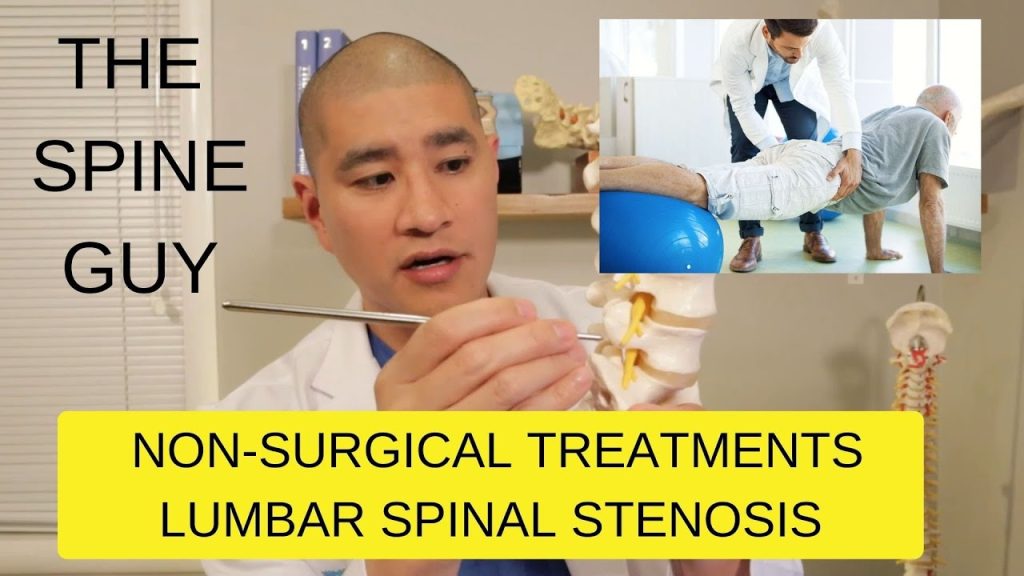
For example, advancements in physical therapy techniques, such as targeted exercises and posture correction, can help alleviate pain and improve flexibility without the need for surgery. Additionally, medications like nerve pain relievers and anti-inflammatory drugs have become more effective, allowing patients to manage symptoms without relying heavily on opioids. These innovations have made a significant difference in managing spinal stenosis.
Revolutionary Approaches to Managing Spinal Stenosis

Revolutionary approaches to managing spinal stenosis are transforming the way patients are treated, providing new solutions that reduce pain and enhance mobility. One such approach is the use of robotic-assisted surgery, which allows for more precise and accurate procedures with less tissue damage and faster recovery times. This technology enhances the surgeon’s ability to perform complex spinal decompression and fusion procedures with minimal invasiveness.
Another revolutionary treatment involves the use of biologics, such as stem cell injections, which aim to regenerate damaged tissues in the spine, potentially reducing the need for invasive surgeries. Research in gene therapy is also showing promise, with the potential to alter the genes responsible for pain and inflammation, offering a long-term solution.
Furthermore, advancements in pain management techniques, like spinal cord stimulation, are offering effective relief for patients who have not responded well to other treatments. These innovations are giving patients suffering from spinal stenosis new hope, offering more tailored and effective treatment options that can lead to better outcomes.
New Breakthroughs in Spinal Stenosis Treatment
Recent breakthroughs in spinal stenosis treatment are revolutionizing the management of this challenging condition, providing patients with more effective and less invasive options. One of the most exciting developments is the use of minimally invasive spinal surgeries, such as microdiscectomy and percutaneous lumbar decompression, which require smaller incisions and promote faster recovery times.
These procedures have been enhanced by advanced imaging technology, allowing surgeons to perform them with precision, reducing the risk of complications. Additionally, new injectable therapies, such as stem cell injections and platelet-rich plasma (PRP) treatments, are showing promise in regenerating damaged tissue and reducing inflammation, offering relief without the need for surgery.
Another breakthrough involves the use of non-invasive spinal cord stimulation, which has been shown to reduce pain and improve function in patients with spinal stenosis. These new treatment options are giving patients hope for a better quality of life, as they can help manage symptoms and improve mobility while minimizing the risks associated with traditional surgeries.
The Future of Spinal Stenosis Care: What’s New?
The future of spinal stenosis care is filled with promising new advancements, offering patients improved options for pain relief, mobility, and overall quality of life. One of the most exciting developments is the continued progress in minimally invasive surgeries, which allow for more precise, targeted treatments with smaller incisions and faster recovery times.
Robotic-assisted surgeries and advanced imaging techniques are making it easier for surgeons to treat complex spinal stenosis cases with greater accuracy. In addition, non-surgical options, such as stem cell therapy, platelet-rich plasma (PRP) injections, and gene therapy, are on the horizon as potential long-term solutions for spinal regeneration and pain management.
These therapies focus on healing damaged tissues and addressing the root causes of stenosis, reducing the need for invasive surgeries. Another area of progress involves the use of advanced neurostimulation devices, which can deliver electrical impulses to the spine to control pain without the need for medication. As these technologies continue to evolve, the future of spinal stenosis care looks brighter than ever for patients seeking relief.
Innovative Techniques for Treating Spinal Stenosis
Innovative techniques for treating spinal stenosis are rapidly emerging, offering patients less invasive and more effective treatment options. One such technique is the use of laser-assisted spinal decompression surgery, which involves using laser technology to remove or shrink tissue pressing on the nerves. This method is minimally invasive, requiring only small incisions, which leads to less pain and quicker recovery compared to traditional surgery.
Another innovative approach involves the use of minimally invasive percutaneous techniques, such as percutaneous disc decompression, to treat lumbar spinal stenosis. These procedures are guided by advanced imaging technology, allowing the surgeon to precisely target the affected area with minimal disruption to surrounding tissues. Additionally, new advancements in spinal cord stimulation and neurostimulation devices are proving to be effective in managing pain.
These devices deliver electrical impulses to the spine, helping to control pain without the need for continuous medication. As these innovative techniques continue to evolve, they offer patients suffering from spinal stenosis more effective and less invasive treatment options.
How the Latest Spinal Stenosis Treatments are Changing Lives
The latest spinal stenosis treatments are having a profound impact on the lives of patients, offering new hope for those who have been struggling with chronic pain and limited mobility. One of the most significant improvements comes from the use of minimally invasive surgery, which has reduced the need for large incisions and lengthy recovery times. These advancements allow patients to return to their normal activities faster and with less pain.
Additionally, the development of biologic therapies, such as stem cell injections and platelet-rich plasma (PRP) treatments, offers a non-surgical option for those seeking relief. These therapies aim to regenerate damaged tissues and promote healing, improving the patient’s quality of life without the risks of traditional surgery.
Furthermore, neurostimulation devices that provide long-term pain relief are becoming more widely available, helping patients manage their symptoms more effectively. With these cutting-edge treatments, patients are experiencing less pain, greater mobility, and a renewed sense of hope for the future.
What’s New in Spinal Stenosis Treatment Options?
New treatment options for spinal stenosis are offering patients more effective and minimally invasive solutions for managing this painful condition. One of the most recent advancements is the development of minimally invasive spinal surgeries, such as microdiscectomy, that require smaller incisions and lead to faster recovery times.
These procedures allow surgeons to treat spinal stenosis with more precision, reducing the risk of complications and improving outcomes. Another exciting development is the use of stem cell therapy and platelet-rich plasma (PRP) injections, which are being explored to promote healing and regeneration in the spine, offering relief from pain and improving mobility.
Additionally, spinal cord stimulation devices, which deliver electrical impulses to control pain, are becoming a popular non-surgical option. These innovative treatments are revolutionizing spinal stenosis care, giving patients more personalized options to address their symptoms and improve their quality of life. As these technologies continue to evolve, they hold the potential to transform the way spinal stenosis is treated in the future.
Frequently Asked Questions
What causes spinal stenosis?
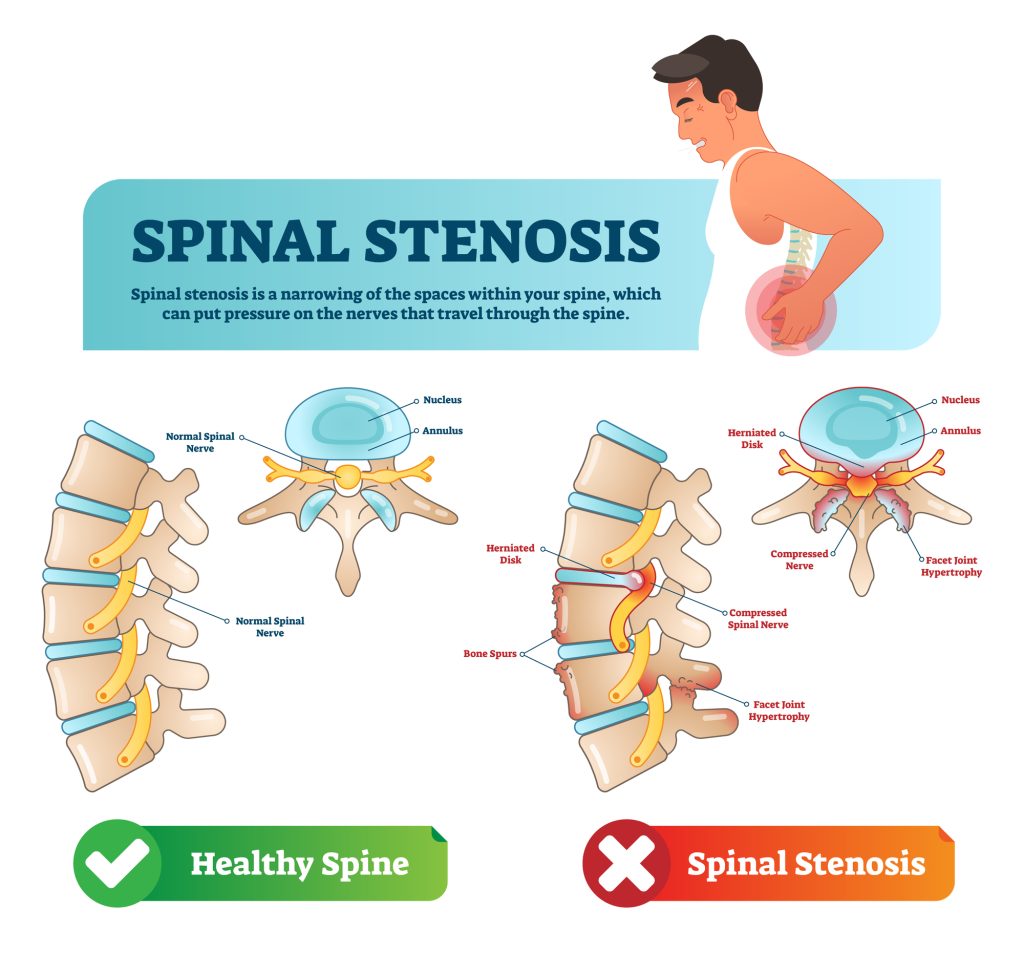
Spinal stenosis occurs when the spaces in the spine narrow, putting pressure on the nerves. This condition can be caused by aging, arthritis, or herniated discs that lead to nerve compression.
Can spinal stenosis be treated without surgery?
Yes, spinal stenosis can be treated with non-surgical options such as physical therapy, medications, and injections. Surgery is typically considered when conservative treatments do not provide relief.
What are the symptoms of spinal stenosis?
Common symptoms include back pain, leg pain, numbness, and weakness. These symptoms worsen when standing or walking and improve when sitting or bending forward.
Is surgery always necessary for spinal stenosis?
No, surgery is not always necessary for spinal stenosis. Many patients find relief through non-surgical treatments, including physical therapy, medications, and injections.
How effective are the new treatments for spinal stenosis?
The new treatments, including minimally invasive surgeries and biologic therapies, are proving to be highly effective for many patients. They offer faster recovery times and improved pain management compared to traditional methods.
Conclusion
The treatment of spinal stenosis has come a long way, with new breakthroughs and innovations offering patients more effective and less invasive options for managing this condition.
From minimally invasive surgeries to biologic therapies like stem cell injections, patients now have access to a wide array of treatments that can help reduce pain and improve mobility. These advancements not only shorten recovery times but also enhance the overall quality of life for individuals suffering from spinal stenosis.