Throne Of Glass Tandem Read, the act of experiencing two books simultaneously or interwoven, has gained popularity as a unique literary exploration. This method often involves books with interconnected narratives, shared characters, or parallel storylines. By immersing readers in two worlds at once, tandem reading creates a layered and dynamic storytelling experience.
It encourages readers to make connections, uncover hidden details, and appreciate the complexity of the narratives. The tandem approach offers an innovative way to engage with literature, breaking traditional boundaries of linear storytelling. Whether you’re new to this method or an experienced reader, this guide will deepen your understanding and appreciation of tandem narratives.
Plot Twists Across Dual Timelines
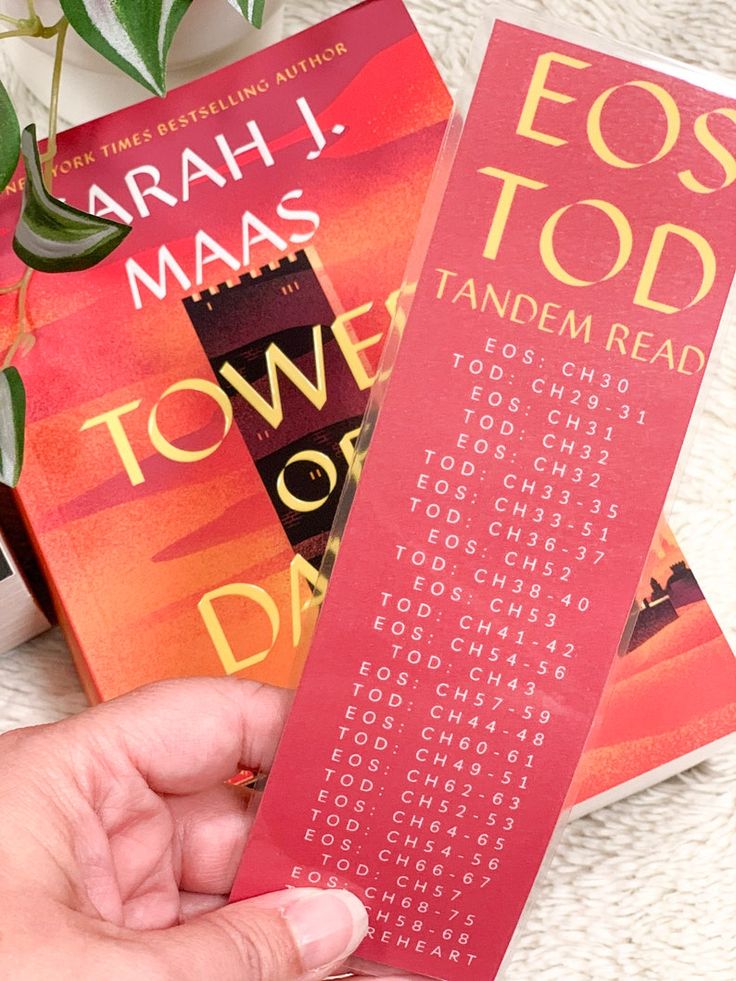
One of the most captivating aspects of tandem reading is the interplay of plot twists across dual timelines. Each book may present its unique twists while hinting at or directly impacting the events of the other. This interconnected storytelling creates suspense and keeps readers engaged as they piece together clues from both narratives.
In many cases, revelations in one timeline serve as foreshadowing for pivotal moments in the other. The result is a richer, more complex reading experience that rewards close attention and critical thinking. For example, a seemingly minor detail in one book may later emerge as a key element in the other, surprising readers with its significance.
These twists also add depth to the overall story, as they often reflect the themes and emotional journeys of the characters. By weaving plot twists into dual timelines, authors challenge traditional storytelling conventions and invite readers to view the narrative from multiple perspectives. This approach not only heightens the drama but also underscores the interconnectedness of the story’s world.
Character Arcs: A Parallel Journey

In tandem narratives, character arcs often mirror or contrast each other, creating a sense of parallel journeys. This structure allows for deep character development as readers observe how individuals grow and change across different timelines or worlds. For instance, a protagonist in one book may face challenges that reflect or contrast with those of a counterpart in the other.
These parallels can highlight universal themes such as resilience, love, or redemption while also emphasizing the unique circumstances of each character’s journey. Additionally, tandem narratives provide opportunities for nuanced storytelling by showing how characters influence each other, even across separate timelines. Relationships, motivations, and personal growth are explored in greater depth, offering readers a more comprehensive understanding of the story.
This interconnected character development fosters empathy and engagement, as readers invest in the outcomes of both narratives. By presenting parallel journeys, tandem narratives demonstrate the multifaceted nature of human experience and the profound ways in which lives can intersect.
Themes Interwoven in Two Worlds
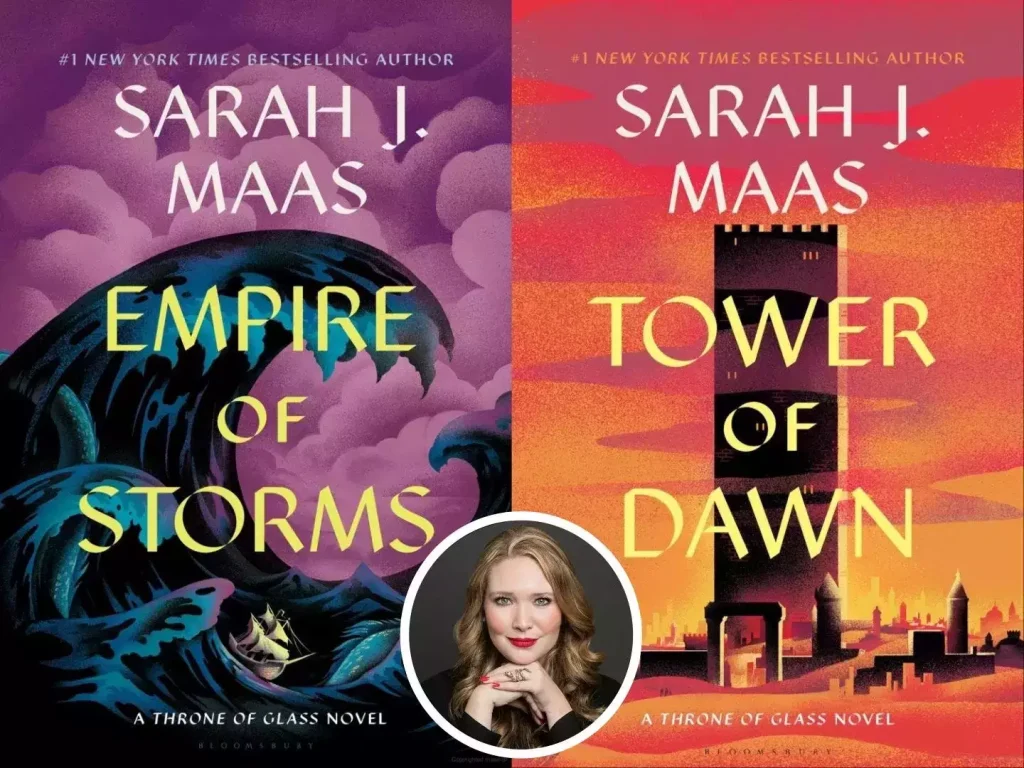
Tandem narratives excel at exploring themes that resonate across two distinct but interconnected worlds. Common themes such as love, loss, identity, and destiny often serve as the threads that bind the stories together. The dual structure allows authors to examine these themes from multiple angles, enriching the narrative and offering readers a more profound understanding.
For example, one book might explore the theme of sacrifice through a historical lens, while the other approaches it in a contemporary or fantastical setting. This juxtaposition not only highlights the universality of certain themes but also underscores their complexity and relevance. The interwoven themes create a cohesive narrative tapestry, inviting readers to reflect on the connections between the two worlds.
By examining how these themes play out in different contexts, readers gain insight into the story’s deeper messages and the author’s intent. This thematic interplay is a hallmark of tandem storytelling, adding layers of meaning and enhancing the overall reading experience.
Analyzing Key Moments in the Tandem Read
Key moments in tandem narratives often serve as anchors that connect the two books and drive the story forward. These moments may include shared events, character interactions, or revelations that impact both timelines. Analyzing these pivotal scenes reveals the intricate craftsmanship behind tandem storytelling.
For instance, a major decision made by a character in one book might ripple through the events of the other, creating a sense of cause and effect across the narratives. These moments often carry significant emotional weight, as they highlight the stakes and the interconnectedness of the story.
Readers are encouraged to pay close attention to details and revisit earlier scenes to fully appreciate their significance. The interplay of key moments not only enhances the drama but also deepens the thematic resonance of the story. By examining these scenes, readers can uncover the layers of meaning and appreciate the skillful weaving of two narratives into a cohesive whole.
Impact of the Tandem Structure on Storytelling

The tandem structure revolutionizes traditional storytelling by presenting two narratives that complement and enhance each other. This format allows authors to experiment with pacing, perspective, and narrative techniques, creating a dynamic and engaging reading experience. By alternating between two books, readers are encouraged to make connections and draw parallels, fostering a deeper understanding of the story.
The tandem structure also introduces an element of unpredictability, as events in one narrative can influence or be mirrored in the other. This interplay adds complexity and keeps readers invested in uncovering the links between the two stories. Furthermore, the dual structure provides opportunities for thematic exploration, character development, and plot intricacies that might not be possible in a single narrative.
By breaking away from linear storytelling, the tandem approach challenges readers to think critically and engage with the text on a deeper level. Ultimately, this innovative structure enriches the storytelling experience and highlights the versatility of narrative art.
Foreshadowing and Connections Between Books

Foreshadowing plays a crucial role in tandem narratives, as it creates anticipation and highlights the connections between the two books. Authors often use subtle hints and recurring motifs to signal events or themes that will unfold across both narratives. These connections reward attentive readers and add a layer of intrigue to the story.
For example, a recurring symbol or phrase in one book may hold significant meaning in the other, serving as a bridge between the two timelines. This technique not only enhances the cohesiveness of the story but also deepens the reader’s engagement. Foreshadowing also allows authors to build suspense and create a sense of inevitability, as readers anticipate how the pieces will fit together.
By weaving these connections into the narrative, authors create a rich and immersive reading experience. The interplay of foreshadowing and connections underscores the intricacy of tandem storytelling and highlights the skill involved in crafting such narratives.
Frequently Asked Questions
What is tandem reading?
Tandem reading involves reading two interconnected books simultaneously. This approach enhances understanding by highlighting connections between the narratives.
Do I need to read the books in a specific order?
Yes, most tandem narratives suggest a specific reading order. This ensures that key moments and connections are revealed in the intended sequence.
What genres work best for tandem reading?
Tandem reading is particularly effective for genres like fantasy, science fiction, and historical fiction. These genres often feature complex world-building and interconnected stories.
Is tandem reading suitable for all readers?
Tandem reading can be challenging for some, as it requires focus and attention to detail. However, it’s highly rewarding for readers who enjoy intricate storytelling.
How do authors plan tandem narratives?
Authors carefully outline and coordinate events, themes, and character arcs. This meticulous planning ensures a seamless and cohesive reading experience.
Conclusion
Tandem reading offers a transformative way to experience literature, blending two narratives into a single, cohesive journey. By interweaving plot twists, character arcs, and themes, this approach creates a dynamic and enriching storytelling experience. The dual structure challenges traditional linear narratives and invites readers to think critically, make connections, and uncover deeper meanings.
As we’ve explored, the impact of tandem reading extends beyond the page, fostering a greater appreciation for the craft of storytelling. Whether you’re new to tandem narratives or a seasoned reader, this method provides a fresh perspective on the art of storytelling. With its ability to engage, surprise, and inspire, tandem reading is a testament to the limitless possibilities of literature. Embrace the challenge, and discover the magic of experiencing two worlds at once. The journey promises to be as rewarding as it is unforgettable.