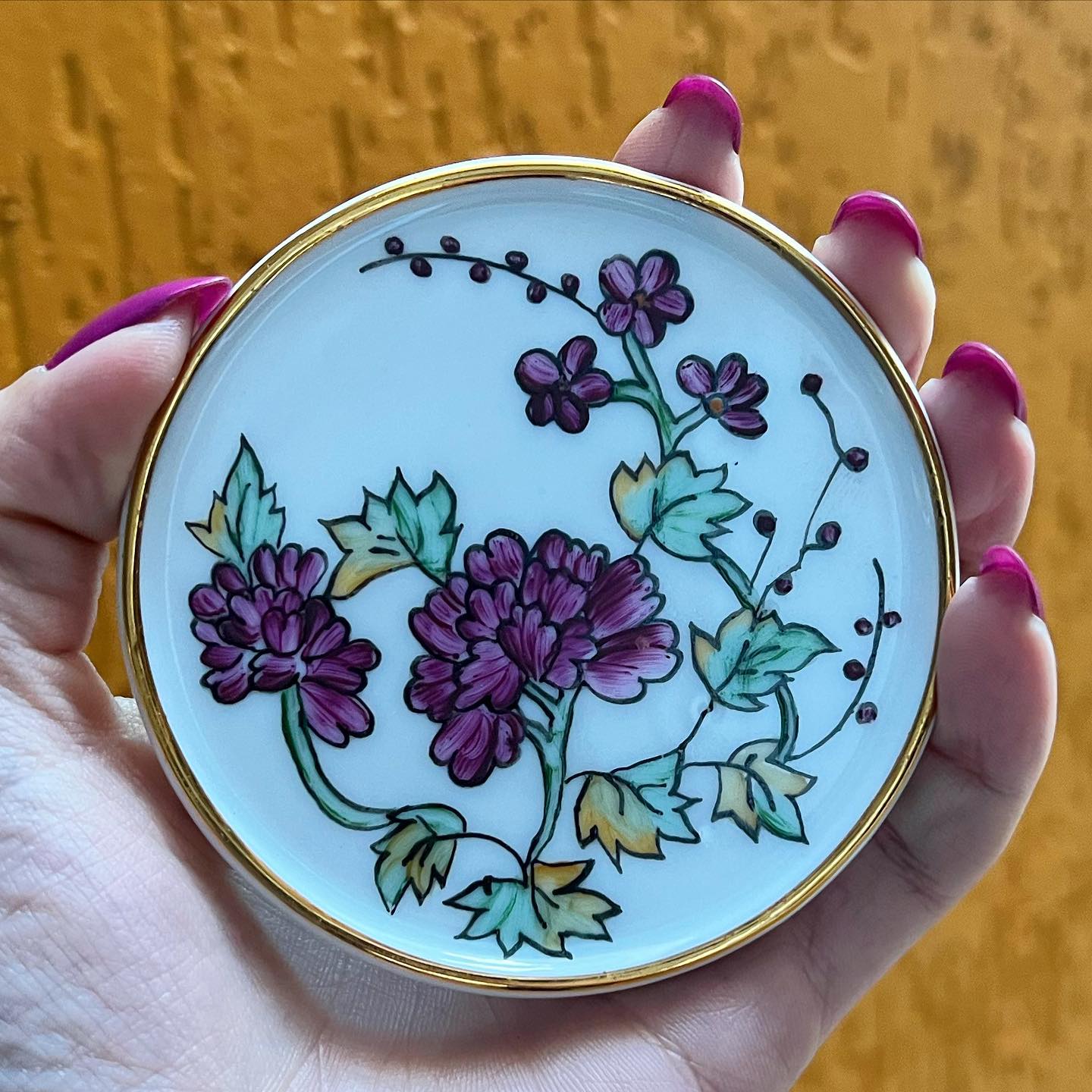
Imari porcelain, originating in 17th-century Japan, is a timeless example of intricate artistry and cultural pride. Named after the seaport of Imari in Kyushu, this porcelain is renowned for its vibrant colors and exquisite patterns.
Each piece is a testament to craftsmanship, blending tradition with elegance, and has captivated collectors worldwide. Initially exported to the West by the Dutch East India Company, Imari porcelain became a symbol of luxury and refinement.
Today, it remains highly sought after, celebrated for its historical value and decorative appeal. Owning a piece of Imari is not just about art; it’s about owning a fragment of history.
Historical Background of Imari Porcelain
Imari porcelain traces its origins to early 17th-century Japan when kaolin clay was first discovered by Korean potters in the Arita region. The porcelain’s journey to global fame began through exports from the Imari port, driven by the Dutch East India Company.
After the Ming dynasty’s decline, Japanese artisans rose to meet Western demand, creating stunning designs that rivaled Chinese ceramics. By the 18th century, Imari porcelain had evolved to feature brighter colors, intricate relief paintings, and a refined elegance that set it apart. Its rich history showcases the interplay of cultural exchange and artistic innovation.
Key Characteristics of Imari Ware
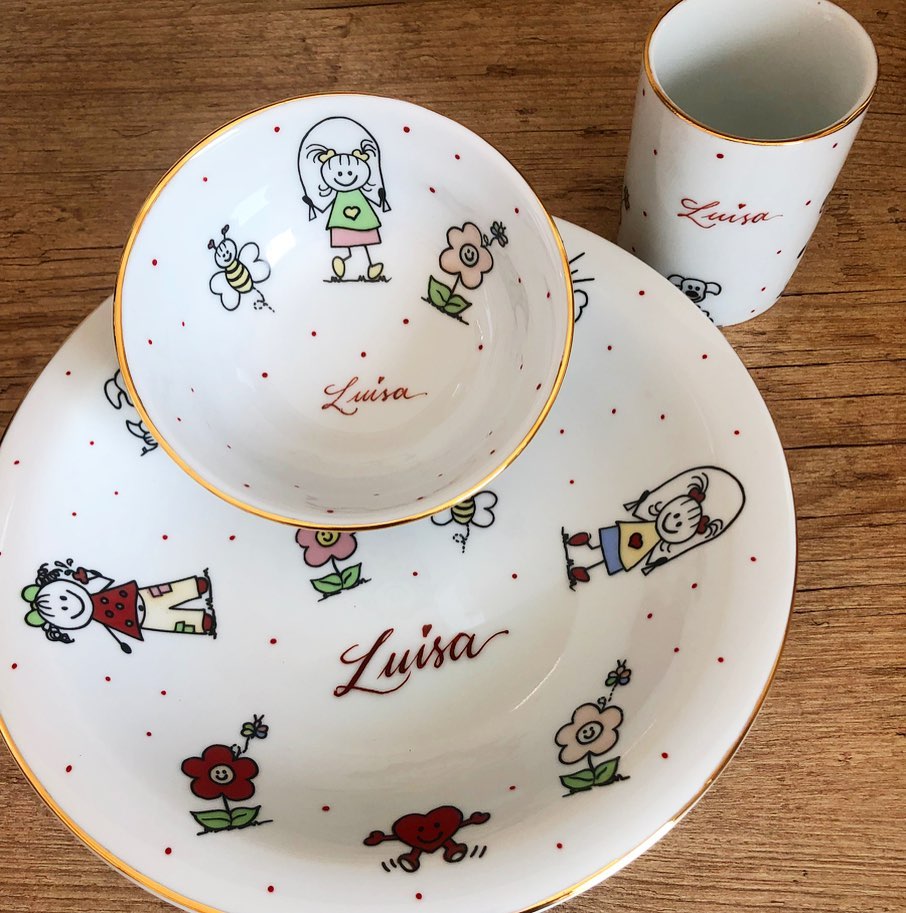
Imari ware is known for its vibrant color palette, including cobalt blue, iron red, and gold accents. The designs often depict nature-inspired motifs, such as flowers, birds, and mythical creatures, symbolizing harmony and beauty. Japanese Imari features a darker, more saturated aesthetic, while Chinese Imari incorporates brighter, lighter tones with thin glazes.
The two predominant styles, Kakiemon and Kinrand, highlight elaborate decorations: Kakiemon boasts floral patterns on a white background, while Kinrand emphasizes vivid colors and lush depictions of nature. These distinct characteristics make Imari porcelain both unique and highly collectible.
Influence of Imari Porcelain on European Ceramics
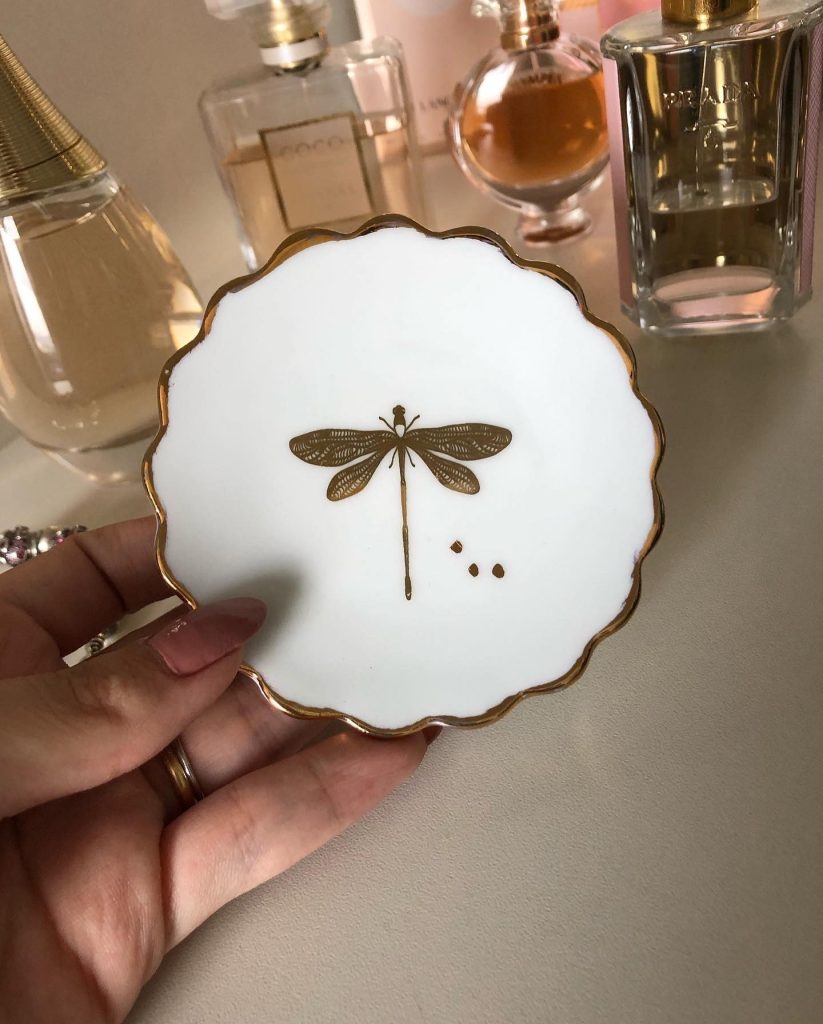
Imari porcelain profoundly influenced European ceramics during the 18th century. As its popularity soared, European manufacturers like Meissen and Royal Worcester began producing “Imari-inspired” designs, mimicking the bold colors and intricate patterns. This cross-cultural exchange introduced exotic aesthetics to Western markets, shaping trends in decorative arts.
The allure of Imari ware’s vibrant palette and detailed craftsmanship sparked innovation, leading to new techniques and styles in European pottery. Today, the influence of Imari can still be seen in luxury ceramics, symbolizing the enduring legacy of this Japanese art form.
Decorative Techniques Used in Imari Porcelain
Imari porcelain’s beauty lies in its complex decorative techniques. Artisans used underglaze cobalt blue for detailed outlines, followed by overglaze enamels in vibrant red, green, and gold. Relief painting added texture and depth, enhancing visual appeal.
Kakiemon style employed precise brushwork for delicate floral designs, while Kinrand featured intricate gilding for a luxurious finish.
The layering of colors and patterns created a harmonious blend of elegance and intricacy. These techniques, honed over centuries, reflect the skill and creativity of Imari artisans, making each piece a masterpiece of Japanese craftsmanship.
Significant Periods in Imari Porcelain Production
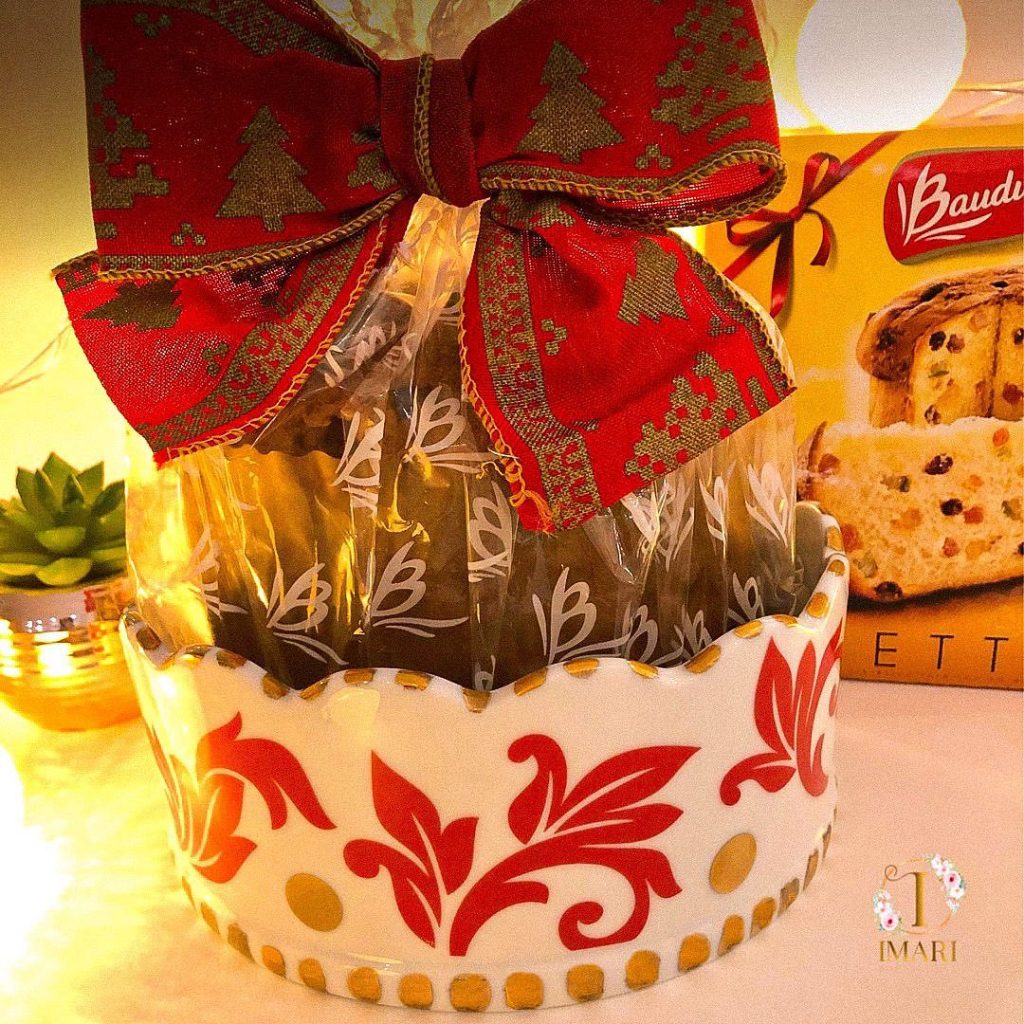
Imari porcelain production has evolved through distinct periods, each marked by unique innovations. The 17th century saw its emergence as an export commodity, characterized by blue-and-white designs. The 18th century introduced more vibrant colors and sophisticated patterns, coinciding with growing European demand.
During the 19th century, Western markets influenced Imari styles, leading to the production of unique shapes and intricate motifs. Modern times have embraced technological advancements, ensuring consistency and quality while preserving traditional artistry. Each period reflects the dynamic history and cultural significance of Imari porcelain.
Collecting and Valuing Imari Porcelain
Collecting Imari porcelain is a rewarding endeavor, offering a glimpse into Japan’s rich artistic heritage. Authentic pieces are highly valued for their historical and aesthetic significance, with rarity, condition, and craftsmanship affecting their worth.
Early Kakiemon and Kinrand styles are particularly prized among collectors. Identifying genuine Imari involves examining the glaze, motifs, and hallmark colors.
Auctions, antique dealers, and specialized exhibitions provide opportunities to acquire these treasures. Whether for personal enjoyment or investment, Imari porcelain remains a timeless addition to any collection.
Famous Imari Patterns and Motifs

Imari porcelain features iconic patterns and motifs, each telling a story. Nature-inspired themes dominate, with depictions of cherry blossoms, peonies, and cranes symbolizing beauty and longevity. Mythical creatures like dragons and phoenixes add a sense of mystique.
The Kakiemon style highlights delicate floral designs, while Kinrand boasts opulent, colorful scenes. Chinese Imari often incorporates traditional motifs such as landscapes and intricate scrolls. These patterns reflect the harmony between art and nature, making each piece a unique expression of cultural identity.
Modern Interpretations of Imari Porcelain

Contemporary artisans honor Imari’s legacy by blending traditional techniques with modern aesthetics. Innovative designs incorporate minimalist patterns, vibrant hues, and experimental shapes, appealing to diverse tastes.
Advanced technologies ensure precision and durability, enhancing functionality while preserving artistry. Collaborations with global designers have introduced Imari porcelain to new markets, solidifying its place in modern decor.
Despite evolving trends, the essence of Imari remains unchanged: a celebration of beauty, craftsmanship, and heritage. Today, it graces homes and galleries worldwide, bridging the past and present.
Future Plans and Goals
- Expand Imari porcelain’s global presence through exhibitions.
- Foster collaborations with international designers and brands.
- Preserve traditional techniques through educational initiatives.
- Promote sustainable production practices.
- Develop innovative designs that appeal to modern consumers.
- Strengthen local artisans’ participation in global markets.
- Increase digital accessibility for collectors worldwide.
- Highlight Imari’s cultural significance through documentaries.
- Encourage cross-cultural appreciation of Imari porcelain.
Fun Facts About Imari Porcelain
- Imari was initially shipped to Europe via Dutch traders.
- The name “Imari” comes from its export port.
- Kakiemon porcelain is considered a rarity.
- Early Imari designs featured only blue-and-white patterns.
- Chinese Imari is known for its thinner glaze.
- Western influences led to unique shapes in the 19th century.
- Some Imari pieces are displayed in world-famous museums.
- Modern Imari integrates innovative techniques with traditional designs.
Frequently Asked Questions About Imari Porcelain
What is Imari porcelain?
Imari porcelain is a Japanese antique style known for its vibrant colors and intricate patterns. It originated in the 17th century and became popular through exports to the West.
What makes Imari porcelain valuable?
Its value lies in its craftsmanship, historical significance, and rarity. Authentic pieces, especially Kakiemon and Kinrand styles, are highly sought after.
How can I identify genuine Imari porcelain?
Look for hallmark colors like cobalt blue, iron red, and gold, along with intricate designs. Authentic pieces often bear distinctive marks or patterns.
What are the differences between Japanese and Chinese Imari?
Japanese Imari features darker tones and elaborate motifs, while Chinese Imari is lighter with thinner glazes and traditional motifs.
Can I use Imari porcelain in daily life?
While collectible pieces are best preserved, modern Imari porcelain is durable and suitable for functional use, blending art with utility.
Conclusion About Imari Porcelain
Imari porcelain embodies the rich cultural and artistic heritage of Japan. Its vibrant colors, intricate patterns, and exquisite craftsmanship have captivated collectors and art lovers for centuries.
From its origins in Arita to its global influence, Imari ware continues to inspire and delight. Whether as a historical artifact, a decorative piece, or a functional item, Imari porcelain represents a harmonious blend of tradition and innovation. Investing in Imari is not merely acquiring art; it’s cherishing a legacy of unparalleled beauty and elegance.