
Fearscan are revolutionizing how we understand and manage fear. By utilizing advanced biometric data, these tools go beyond traditional psychological assessments to provide objective, quantitative measures of emotional responses. The scans capture various physiological indicators such as heart rate, skin conductivity, and brain activity, enabling professionals to assess the intensity and triggers of fear with unprecedented precision.
However, like all advancements, this technology comes with ethical concerns around privacy and data usage, making responsible implementation crucial. With continued research, FearScans could shape the future of emotional health diagnostics and therapeutic practices.
Fearscan: Exploring New Dimensions of Security

FearScan represents a significant leap in the evolution of security technologies, offering a unique approach to understanding fear responses in individuals. By measuring physiological indicators like heart rate, skin conductivity, and brain activity, FearScans provides an objective tool for analyzing emotional responses to security threats.
This level of accuracy offers security professionals a deeper understanding of human reactions, potentially enhancing the effectiveness of security protocols. Whether it’s assessing threat levels, identifying potential risks, or responding to critical incidents, FearScan technology ensures that safety measures are as informed and effective as possible.
By collecting real-time data, FearScans can help tailor security interventions to the specific needs of individuals, reducing false positives and optimizing response strategies. This innovative technology is transforming the security landscape, offering a blend of psychological insight and physical data for a more proactive and personalized approach to safety. As FearScan technology continues to develop, its potential for enhancing both public and personal security grows exponentially.
How Fearscan Innovates Modern Surveillance
FearScan takes surveillance technology to the next level by integrating emotional and psychological data into traditional security systems. Unlike conventional methods that primarily rely on visual and behavioral analysis, FearScan captures the physiological responses of individuals to assess their emotional states.
By tracking heart rate, skin conductivity, and brain activity, this tool allows for more accurate threat assessments. Surveillance systems enhanced by FearScan can identify stress or fear responses in real time, enabling security personnel to respond more effectively to potential risks. This level of emotional insight can be invaluable in high-stakes environments, where detecting heightened anxiety or fear can indicate impending threats.
FearScan also has the potential to revolutionize surveillance in public spaces, airports, and sensitive areas by adding a layer of emotional intelligence to traditional monitoring systems. As this technology continues to evolve, it promises to reshape how security operations are conducted, making them more responsive, intuitive, and human-centric.
Key Features of Fearscan You Need to Know
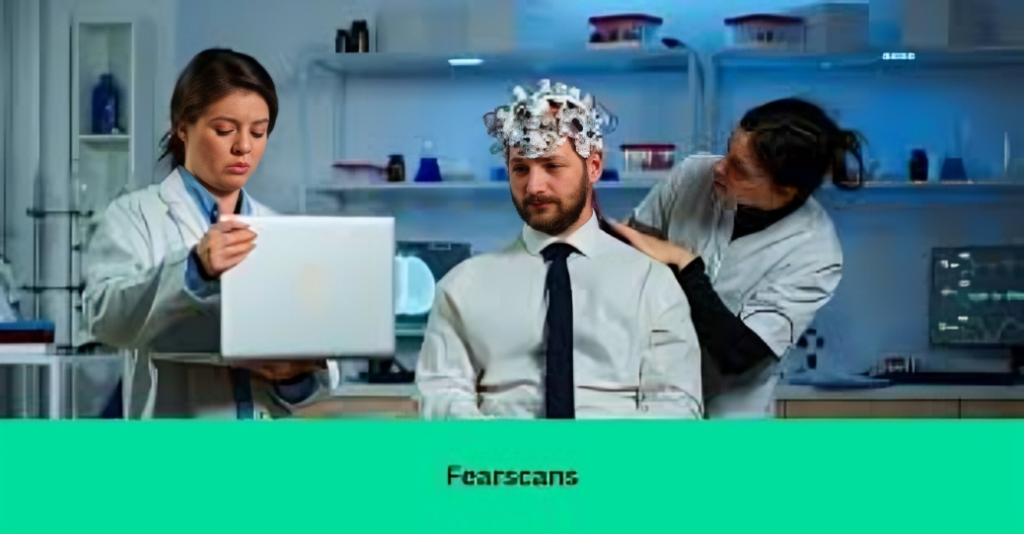
FearScan is packed with cutting-edge features that make it a game-changer in emotional health diagnostics and security technology. The tool measures a range of physiological markers such as heart rate, skin conductivity, and brain activity, providing an objective measure of fear responses. Unlike traditional methods that rely on subjective self-reporting, FearScan offers a quantitative approach, enhancing diagnostic accuracy for anxiety disorders, PTSD, and phobias.
The technology uses data from multiple sources, correlating these markers with known fear response models to assess intensity and triggers. This enables professionals to develop more effective treatments and intervention strategies. Another key feature of FearScan is its potential for integration with wearable devices and mobile apps.
By continuously monitoring emotional states, FearScan can offer real-time insights, providing ongoing emotional health support. This real-time capability could redefine mental health management, allowing individuals to respond proactively to emotional stressors. While its applications in psychological treatment are vast, its ability to improve security systems by assessing fear responses is also a promising area of growth.
Enhancing Safety with Fearscan Technology
FearScan technology holds the potential to dramatically enhance safety measures in both clinical and public settings. By using physiological data to assess fear and anxiety levels, FearScan provides a more nuanced understanding of individual responses to threats. This objective data can be used to tailor security protocols and interventions, making them more effective and less invasive.
In clinical settings, FearScan can assist in diagnosing anxiety disorders, PTSD, and phobias by providing accurate measurements of emotional responses. For personal safety, the integration of FearScan with wearable devices could offer continuous monitoring of emotional well-being, alerting users to heightened stress levels and potential triggers.
For security professionals, understanding fear responses in individuals could lead to more informed decisions during critical incidents. Whether used in healthcare, public safety, or personal well-being, FearScan offers an innovative approach to safety, blending emotional insight with traditional security measures. As the technology evolves, its integration with smart devices could offer real-time interventions, further enhancing personal and public security.
User Testimonials: Experiences with Fearscan

FearScan users are praising the technology for its ability to offer a deeper understanding of their emotional well-being. One user shared how the tool helped them uncover the root causes of their anxiety, providing valuable insights that led to more effective therapy. Another user noted how FearScan’s real-time data allowed them to recognize stress triggers in their daily life, enabling them to implement proactive measures to manage their emotions.
Many users have highlighted the precision of the scan, emphasizing how it provided a more accurate assessment of their fear responses than traditional methods. For those seeking to improve their emotional health, FearScan offers a unique opportunity to gather objective data that can inform treatment strategies.
Healthcare professionals using the technology in clinical settings have also noted its potential to improve diagnostic accuracy, particularly for conditions like PTSD and phobias. Overall, user feedback underscores the potential of FearScan to empower individuals to take control of their emotional well-being and drive improvements in both personal and professional settings.
The Evolution of Fearscan: From Concept to Reality: The journey of FearScan technology from concept to reality has been driven by years of research in neuroscience and clinical psychology. Initially, the idea was to develop a tool that could objectively measure emotional responses, particularly fear, in a way that traditional psychological assessments could not.
Through extensive collaboration between experts in neuroscience, psychology, and technology, FearScan emerged as a sophisticated diagnostic tool capable of analyzing physiological indicators such as heart rate, skin conductivity, and brain activity. Early iterations focused on refining the accuracy of the scans and correlating biometric data with known fear response models.
As the technology progressed, it became clear that FearScan could be used not only in clinical settings but also in security and safety applications. Now, with ongoing research and development, FearScan is poised to play a significant role in both emotional health diagnostics and public safety. The evolution of this technology has the potential to reshape therapeutic practices and improve personal and community well-being.
Expert Tips for Maximizing Fearscan’s Capabilities
To fully harness the power of FearScan technology, experts recommend combining it with other therapeutic strategies for comprehensive emotional health management. Using FearScan alongside traditional therapy allows for a more accurate assessment of progress over time, helping both individuals and healthcare providers make more informed decisions.
It’s important to interpret FearScan data in the context of a person’s overall health, including lifestyle factors such as sleep, diet, and exercise, which can influence emotional responses. Additionally, integrating FearScan with wearable technology and mobile apps allows for continuous monitoring of emotional states, providing real-time data to manage stress and fear triggers more effectively.
For security applications, pairing FearScan with surveillance systems enables better threat assessment and response strategies by analyzing physiological markers in real time. As the technology continues to evolve, ongoing research and collaboration with mental health professionals will be key to unlocking its full potential.
Future Trends and Advancements in Fearscan
The future of FearScan holds exciting possibilities as the technology continues to evolve. Researchers are already exploring ways to improve the accuracy of FearScan’s measurements by integrating more advanced biometric sensors and refining the algorithms that correlate physiological data with fear responses. One area of growth is in the integration of FearScan with wearable technology, which could allow for continuous emotional monitoring and real-time feedback on stress and anxiety levels.
This could provide users with proactive alerts, helping them manage their emotional health throughout the day. In clinical settings, FearScan’s data could be used to personalize treatment plans for individuals with anxiety disorders, PTSD, or phobias, leading to more effective outcomes.
Additionally, as the technology becomes more widely adopted, there will be opportunities for cross-disciplinary research, leading to new insights into how fear responses influence behavior and mental health. With continued advancements in data privacy and ethical guidelines, FearScan has the potential to reshape how we understand and manage emotional well-being on a global scale.
Fun Facts About Fearscan
- Advanced-Data Processing: FearScan combines multiple biometric readings to create a comprehensive emotional profile.
- Integration with Wearables: Future versions of FearScan are expected to sync with smart devices for real-time emotional monitoring.
- Research Revolution: The technology is paving the way for new research into the link between physiological responses and mental health.
- Real-Time Interventions: FearScan could offer users immediate feedback on their emotional state, enabling quicker stress management.
- Improving Therapy: Clinicians use FearScan data to refine treatment strategies for anxiety and PTSD.
- Ethical Considerations: Data privacy is a top priority, with strict protocols for handling sensitive information.
- Wide Applications: FearScan is being explored for use in both clinical settings and personal safety applications.
- Continuous Development: The technology is still evolving, with researchers working to improve its precision and versatility.
Frequently Asked Questions Fearscan
What is FearScan used for?
FearScan is used to assess fear responses through biometric data like heart rate and skin conductivity. It provides a more accurate and objective measurement of fear compared to traditional psychological assessments.
How does FearScan work?
FearScan collects physiological data, such as heart rate and brain activity, during fear-inducing situations. This data is then analyzed to determine the intensity and triggers of a person’s fear response.
Can FearScan help with anxiety treatment?
Yes, FearScan can help diagnose and monitor conditions like anxiety and PTSD. By measuring emotional responses, it can aid in developing targeted treatment strategies.
Is FearScan safe to use?
FearScan is a non-invasive technology that captures biometric data safely. However, it must be used responsibly, with strict ethical guidelines to protect privacy.
How accurate is FearScan technology?
FearScan technology is highly accurate, using advanced algorithms to correlate physiological data with known fear response models. Ongoing research continues to improve its precision.
Conclusion About Fearscan
FearScan is a groundbreaking technology that combines neuroscience, psychology, and biometric data to offer an objective measure of fear and emotional responses. By moving beyond traditional psychological assessments, FearScan provides clinicians and researchers with more accurate and detailed information to diagnose and treat conditions like PTSD, anxiety, and phobias.
The integration of wearable technology promises continuous monitoring, allowing individuals to track their emotional well-being in real time. As the technology advances, its potential for enhancing mental health treatments and public safety measures grows.
However, it is important to address the ethical concerns surrounding data privacy to ensure the responsible use of this technology. With ongoing innovation, FearScan has the potential to revolutionize both therapeutic practices and personal emotional health management, shaping the future of mental well-being.