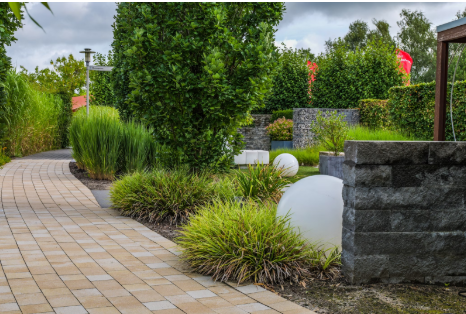
Building a beautiful garden is beyond choosing the best flora or learning the design. The secret lies in the material you construct your garden elements of. Pathways, pots, or decorations, homeowners and landscapers look for materials that will offer strength, beauty, and eco-friendliness in the long term. Concrete has been one of the most popular in fulfilling all these needs. But why is concrete such a durable and versatile choice for garden ornaments?
The Benefits of Concrete for Garden Ornaments
Concrete is also prized for its durability, a virtue to be valued in a garden setting. As a substance that stands up to the whims of the weather, from the blistering heat of summer sun to the relentless rain, it is nothing if not resilient. Concrete offers unmatched durability, resisting cracking, warping, and rotting with the seasons. Where wood or metal would rust or be vulnerable to insects like termites, concrete does not.
But it is not so much a matter of surviving the weather as of flourishing in it. Concrete gets pounded by stress quite literally, whether pots or concrete sleepers for retaining structures. Its compressive strength enables it to carry safely under the load of heavy garden ornaments such as water features, statues, or fire features without sacrificing anything.
It is this virtue that makes it an ideal choice for decorations like garden walls or raised beds, which are supplemented by its stone-like solidity. Concrete stain-resists and is low-maintenance—a welcome relief to those homeowners who wish to minimise the effort.
Design Flexibility with Concrete
Besides its building strength, concrete is also the better choice when viewed from the design perspective. Most homeowners are surprised at the flexibility and beauty potential of the product. Adios to drab, grey slabs. Concrete can be buffed, painted, or even stamped nowadays to mimic stone, brick, or wood-like finishes.
Concrete offers an artist’s palette to let your imagination run wild when it comes to walks, garden furniture, or retaining walls. Custom moulds enable you to create custom designs and shapes, allowing you to design a garden that not only appears personalised but also luxurious.
Require a box with clean, sleek lines to enhance even more the appearance of your modern garden? Concrete can. Require old-world charm, rustic-looking stepping stones with loads of character? Concrete can accomplish that too, with ease.
Flexibility of design also causes it to coordinate with nearly every type of garden, ranging from contemporary to traditional, and provides homeowners license to design outdoors.
The Green Sides of Concrete
Constantly slammed for being unsustainably created, the eco-friendly nature of concrete is greater than people realise. First, the long-lasting nature of concrete reduces wastage; concrete structures can serve decades before requiring substitution. Concrete is therefore greener compared to other products like treated wood, which will be replaced and reused multiple times.
Secondly, most of the new generation concrete makes use of recycled materials like fly ash, slag, or crushed glass. These green advancements reduce the environmental impact of producing concrete. There are also permeable concrete options, which allow for enhanced drainage of water in gardens and less runoff—a fundamental aspect of sustainable gardening.
Remember, locally produced concrete from sustainable manufacturers can reduce the carbon footprint even more. By being responsible in their decisions, gardeners and homeowners can extend their appreciation for nature from the plants to the materials as well.
Concrete Blends Durability, Aesthetics, and Sustainability
Concrete is currently one of the most sought-after materials for outdoor garden features, due to its durability, appearance versatility, and unexpected eco benefits. It offers gardeners and homeowners a convenient yet high-tech answer to making outdoor space that will last, in addition to putting in a personal touch.
Concrete gives you the ability and stamina you require, from constructing hip contemporary planters to creating cosy pathways to incorporating structural elements such as retaining walls.
The next time you’re planning an expansion of your garden, think about what concrete can do towards building beauty and purpose for your nicely designed outdoor oasis. Concrete is not only for building, after all; it’s the key to designing a long-lasting, hip, and eco-friendly retreat.