Mewing, a growing trend in beauty and social media, has taken the internet by storm. Initially designed as a non-surgical method to enhance facial structure, particularly the jawline, this technique is gaining momentum among teens and young adults. While some promote it as a quick fix for a “snatched” appearance, others have highlighted its misuse in classrooms as a form of disrespect.
Originating from orthodontic practices, mewing has sparked debates over its effectiveness and potential benefits. This article dives deep into the concept of mewing, its origins, techniques, and controversies surrounding it, offering insights for parents, educators, and enthusiasts.
The Concept Behind Mewing
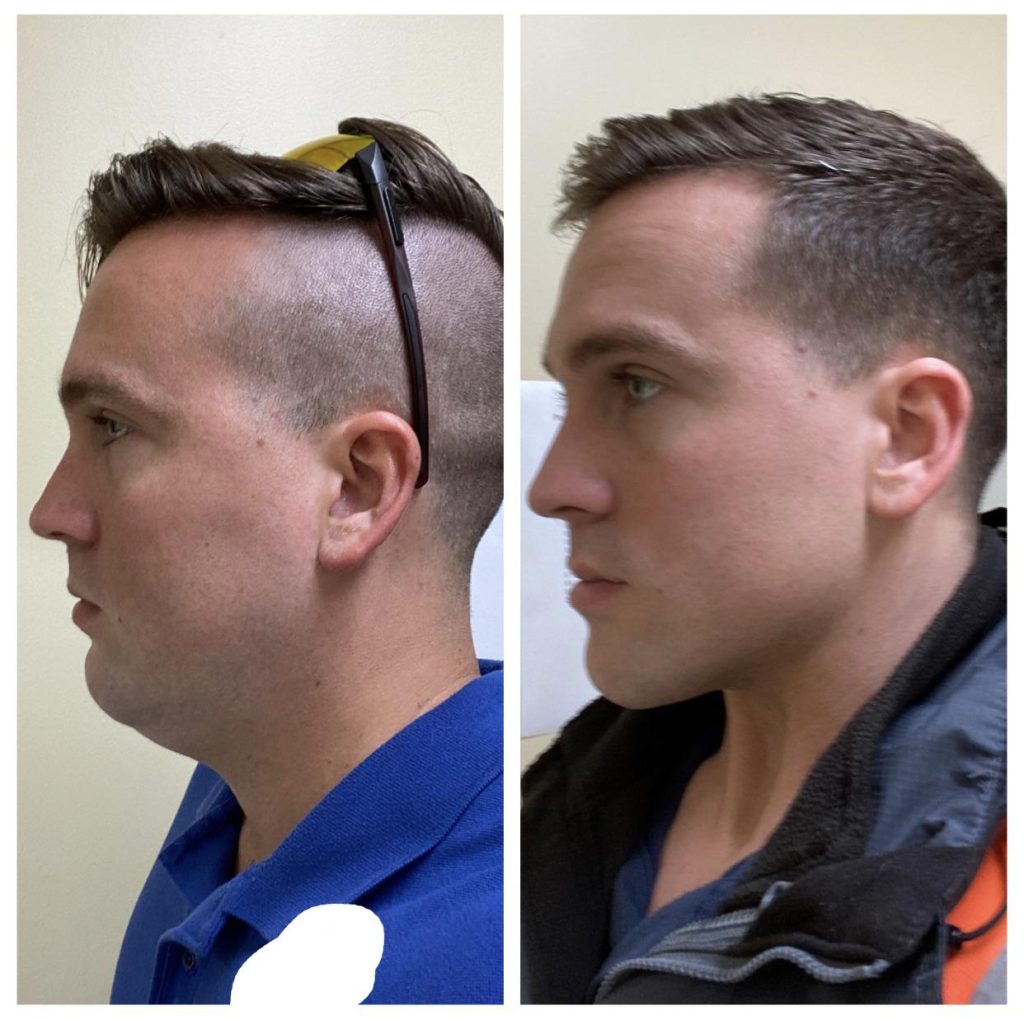
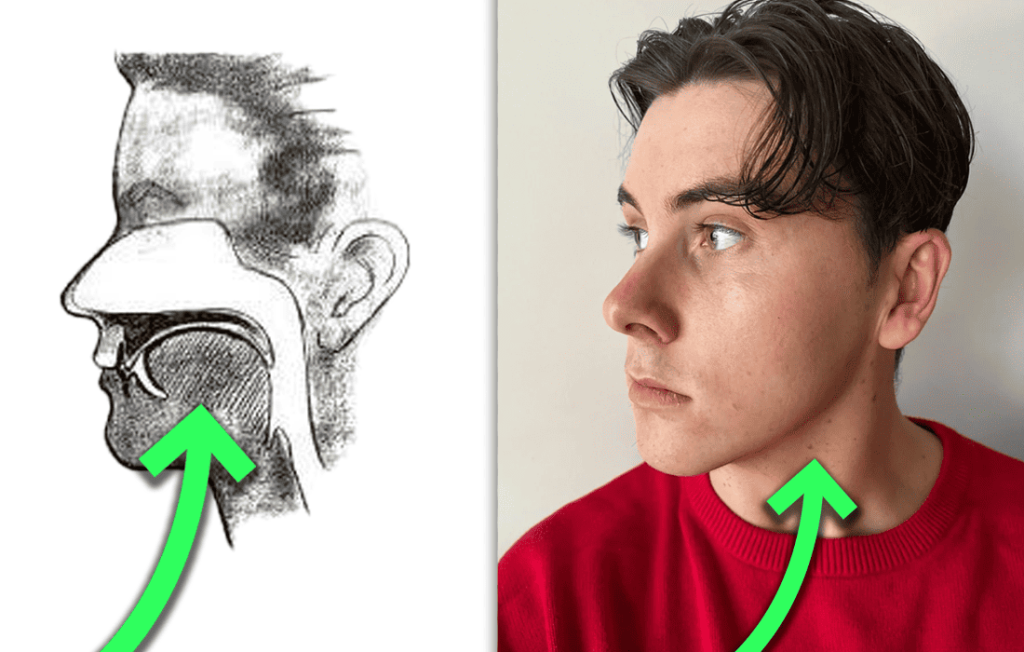
Mewing is maintaining correct tongue posture by resting the tongue against the roof of the mouth. Advocates claim that this simple technique can redefine facial structure, particularly the jawline, over time. It’s often described as a natural alternative to cosmetic enhancements, requiring no surgery or invasive procedures.
The method has become a popular topic among beauty influencers, with tutorials and testimonials flooding social media platforms. However, critics argue its benefits may be overstated, as mewing lacks extensive scientific backing. While originally intended to improve oral health and alignment, its modern adoption primarily focuses on aesthetics.
Mewing also holds cultural significance as part of the broader movement toward natural beauty and self-improvement. Despite the skepticism, the trend continues to captivate audiences, blending wellness and vanity into one compelling phenomenon.
Like this: Revo Technologies, based in Murray, Utah, specializes in innovative technological solutions.
History and Origin of Mewing
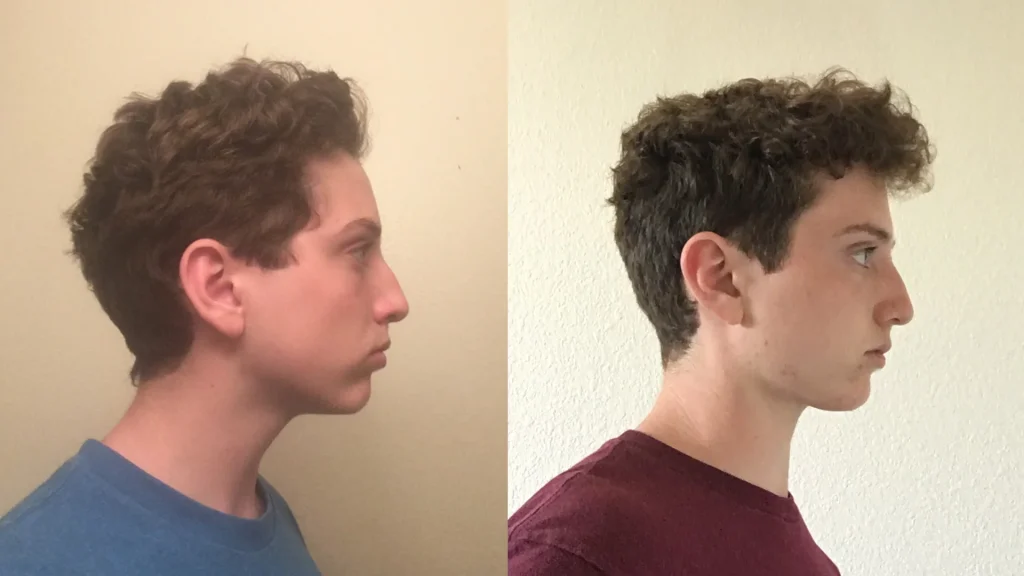
Mewing’s origins trace back to the work of Dr. John Mew, a British orthodontist, who pioneered orthotropics a theory that emphasizes the relationship between facial structure and tongue posture. Dr. Mew introduced the technique in the late 20th century as a means to improve jaw alignment and prevent malocclusion.
Although initially met with criticism and controversy within the orthodontic community, his methods have gained traction in alternative health circles. The practice saw a resurgence with the rise of social media, as influencers and beauty enthusiasts began showcasing their “before and after” transformations.
TikTok and YouTube became hotspots for mewing content, sparking curiosity among younger audiences. Today, mewing is seen as both a wellness technique and a cosmetic trend, attracting diverse followers. While its scientific validity remains debated, its historical roots highlight an innovative attempt to merge oral health with facial aesthetics.
Techniques and Practices of Mewing
The primary technique of mewing involves pressing the tongue against the roof of the mouth, ensuring the entire tongue surface is in contact. To practice mewing effectively, one must maintain good posture, keeping the head level and teeth lightly touching without clenching.
Consistency is key, as the method requires continuous effort over months to potentially yield noticeable results. Beginners often find it challenging to maintain proper tongue posture throughout the day, but regular practice can help build muscle memory. Some enthusiasts recommend pairing mewing with facial exercises to enhance its effects further.
However, experts caution against overexertion, as improper technique could strain facial muscles or lead to discomfort. Tracking progress through photos can motivate and ensure adherence to the routine. Despite its simplicity, mastering mewing demands patience and dedication, making it a long-term commitment for those seeking transformation.
Like this: A “Cinnamon Roll” refers to someone who is sweet, kind, and pure-hearted.
Potential Benefits of Mewing
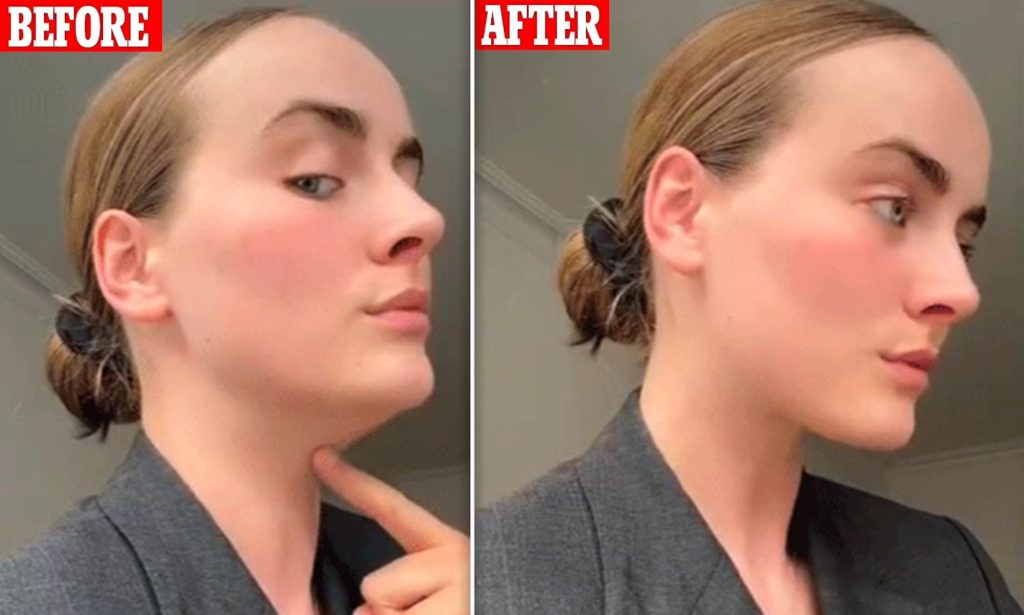
Proponents of mewing highlight its potential to improve facial aesthetics and oral health. Promoting correct tongue posture is believed to encourage better jaw alignment and a more defined jawline over time.
Additionally, mewing may help with breathing, particularly for those who struggle with mouth breathing, by encouraging nasal respiration. Some claim that it can also contribute to improved posture and reduced tension in the neck and jaw muscles. While anecdotal evidence abounds, many users report subtle changes in their facial structure after consistent practice.
Beyond physical benefits, the technique is often associated with boosting confidence, as participants feel empowered by taking control of their appearance. Despite these potential upsides, experts emphasize that mewing is not a guaranteed solution for everyone and should be approached with realistic expectations.
Common Misconceptions About Mewing
One common misconception about mewing is that it provides instant results. In reality, the technique requires consistent practice over months or even years to achieve noticeable changes.
Another myth is that anyone can achieve a perfectly chiseled jawline through mewing alone, overlooking the role of genetics and other factors in facial structure. Some also mistakenly believe that mewing can replace orthodontic treatments or surgery, which is not supported by scientific evidence.
Additionally, mewing is sometimes thought to be effortless, but maintaining proper tongue posture demands conscious effort, especially for beginners. These misconceptions have fueled both exaggerated expectations and skepticism about the trend.
Like this: e word “Wallpaper:75hrkitzfb4=” appears as a black screen.
Scientific Evidence and Research on Mewing
Scientific research on mewing remains limited, with most evidence being anecdotal rather than clinical. The American Association of Orthodontists has stated that there is no scientific proof to support claims that mewing can significantly alter facial structure.
While some studies have explored the impact of tongue posture on oral health, they do not conclusively validate mewing as a cosmetic technique. Critics argue that the lack of peer-reviewed research makes it difficult to assess its efficacy and long-term effects. However, the growing popularity of mewing has sparked interest in further studies, which may provide more concrete insights in the future.
Personal Experiences and Anecdotes
Personal stories about mewing vary widely, with some users reporting noticeable improvements in their jawline definition and others seeing little to no change.
Testimonials on social media often highlight the transformative potential of the technique, complete with “before and after” photos. However, skeptics question the authenticity of such claims, suggesting that other factors like weight loss or photo editing may contribute to perceived results.
Fun Facts About Mewing
- Inventor: Created by Dr. John Mew, a controversial orthodontist.
- Popularity: Gained fame through TikTok and YouTube influencers.
- Aesthetic Trend: Marketed as a natural way to improve facial symmetry.
- Cultural Impact: Reflects the shift toward non-invasive beauty trends.
- Misuse: Teens have redefined mewing as a disruptive gesture in classrooms.
- DIY Trend: Mewing requires no special tools or equipment.
- Criticism: Experts debate its effectiveness due to limited scientific backing.
- Longevity: Results, if any, may take months to appear.
Frequently Asked Questions About Mewing
What is mewing?
Mewing is a technique involving proper tongue posture to potentially define the jawline. It emphasizes pressing the tongue against the roof of the mouth.
Does mewing work for everyone?
Results vary and depend on factors like genetics and consistency. Scientific evidence is limited, so individual outcomes may differ.
How long does mewing take to show results?
Visible changes, if any, may take months or even years with consistent practice. It is not a quick-fix solution.
Is mewing scientifically proven?
Currently, there is no strong scientific evidence supporting mewing’s effectiveness. Most claims are anecdotal.
Can mewing replace orthodontic treatments?
No, mewing cannot replace professional orthodontic treatments. It is primarily a cosmetic technique.
Conclusion About Mewing
Mewing is an intriguing trend that blends wellness with beauty aspirations. Despite its widespread popularity on social media, it remains a debated topic among experts due to the lack of scientific validation. For enthusiasts, mewing represents an accessible and natural way to explore self-improvement.
However, it’s essential to approach the practice with realistic expectations and prioritize overall health. Parents and educators should address the misuse of mewing in classrooms with empathy, focusing on fostering respect and understanding. Whether you view it as a beauty hack or a fleeting trend, mewing undeniably reflects the power of social media in shaping modern wellness practices.