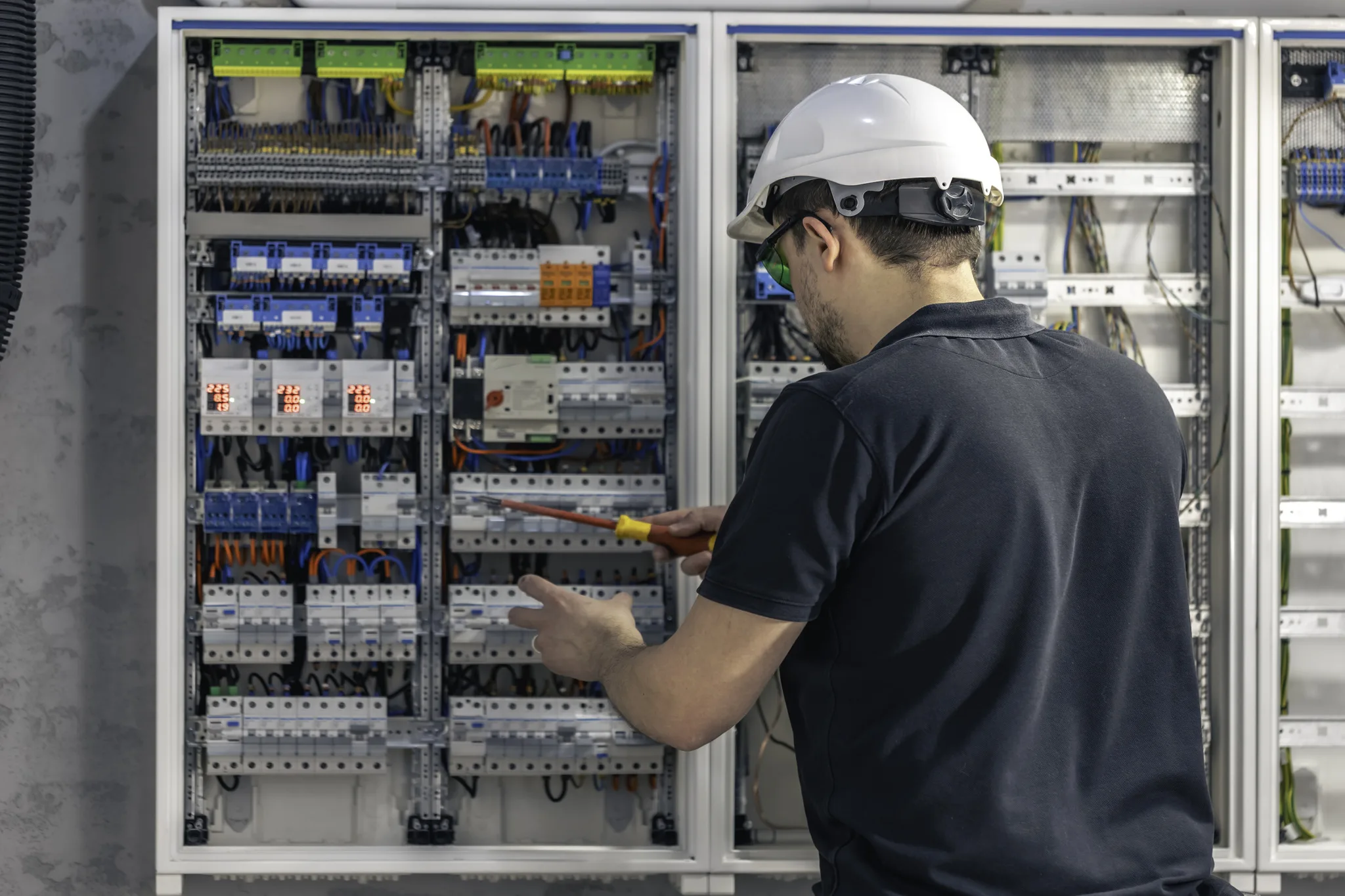
Industrial enclosures play a vital role in protecting electrical and mechanical equipment from environmental factors such as dust, moisture, temperature fluctuations, and physical impact. When selecting an industrial enclosure, one critical decision is choosing between a custom enclosure or a standard enclosure. Each option has its own advantages and is suited to different applications. Understanding their differences can help industries make an informed decision that balances cost, performance, and efficiency.
For expert guidance on selecting the right industrial enclosure, explore high-quality Industrial Enclosures tailored to meet diverse industry needs.
1. Understanding Standard Industrial Enclosures
Standard industrial enclosures are pre-designed and mass-produced, offering a cost-effective and readily available solution for housing industrial equipment. They come in various sizes, materials, and protection ratings to suit different environmental conditions.
Benefits of Standard Enclosures
- Cost-Effective: Standard enclosures are generally more affordable than custom enclosures since they are produced in bulk, reducing manufacturing costs.
- Immediate Availability: These enclosures are widely available in the market, eliminating the need for long lead times and ensuring quick deployment.
- Industry Compliance: Standard enclosures often meet industry regulations such as NEMA (National Electrical Manufacturers Association) and IP (Ingress Protection) ratings, ensuring safety and reliability.
- Ease of Replacement: Since they are mass-produced, replacing a damaged standard enclosure is simple and hassle-free.
Limitations of Standard Enclosures
- Limited Customization: Standard enclosures may not always fit unique equipment requirements, leading to modifications that can be costly and time-consuming.
- Space Constraints: Some industrial applications require enclosures with specific dimensions that standard options may not meet.
- Potential Overengineering: In some cases, standard enclosures may include features that are unnecessary for a given application, leading to unnecessary expenses.
2. Understanding Custom Industrial Enclosures
Custom industrial enclosures are designed and manufactured to meet specific requirements, ensuring an optimal fit for specialized equipment and environmental conditions.
Benefits of Custom Enclosures
- Tailored to Specific Needs: Custom enclosures are designed to fit exact dimensions and specifications, ensuring an optimal housing solution for equipment.
- Material Selection: Industries operating in harsh environments can select materials such as stainless steel, aluminum, fiberglass, or polycarbonate to withstand extreme conditions.
- Enhanced Protection: Custom enclosures can be built with added features such as advanced thermal management, additional security locks, and enhanced ingress protection.
- Aesthetic and Functional Design: Businesses can design enclosures to match their branding, optimize space utilization, and ensure easy access for maintenance.
- Long-Term Cost Efficiency: Though the initial cost may be higher, a well-designed custom enclosure can reduce long-term maintenance and operational costs.
Limitations of Custom Enclosures
- Higher Upfront Cost: Custom enclosures require design, engineering, and production processes, making them more expensive than standard options.
- Longer Lead Times: Since they are built to order, custom enclosures often have extended manufacturing and delivery times compared to off-the-shelf standard enclosures.
- Complex Design Process: Developing a custom enclosure requires detailed planning and collaboration with manufacturers, which can be time-consuming.
3. Key Considerations When Choosing Between Custom and Standard Enclosures
When deciding between custom and standard industrial enclosures, consider the following factors:
Environmental Conditions
- If the enclosure needs to withstand extreme temperature, moisture, chemicals, or corrosive elements, a custom solution may provide better durability and longevity.
- For general-purpose indoor use, a standard enclosure may be sufficient.
Equipment Requirements
- If the equipment requires a unique layout, specific access points, ventilation, or cable management, a custom enclosure may be the best option.
- If the equipment can fit within available standard enclosure sizes, opting for a standard model can save time and money.
Compliance and Regulations
- If strict industry certifications and safety regulations are required (e.g., NEMA 4X, IP67, or explosion-proof ratings), ensure the selected enclosure meets those standards.
- Standard enclosures often already meet regulatory requirements, whereas custom enclosures may require additional testing.
Budget and Time Constraints
- If budget constraints and immediate availability are primary concerns, a standard enclosure is the better choice.
- If the project timeline allows for a custom design and the benefits outweigh the higher costs, a custom enclosure is worth considering.
Long-Term Investment
- Custom enclosures can lead to reduced maintenance, improved performance, and greater efficiency, making them a valuable investment for long-term projects.
- Standard enclosures, while cost-effective upfront, may require modifications or replacements over time, leading to additional expenses.
4. Conclusion: Which One is Right for You?
Choosing between a custom and a standard industrial enclosure depends on the specific needs of the application. Standard enclosures offer a cost-effective, readily available, and compliant solution for general applications, making them ideal for businesses that require quick deployment. On the other hand, custom enclosures provide tailored solutions with enhanced durability, protection, and functionality, making them suitable for industries operating in harsh environments or requiring specialized equipment protection.
Ultimately, businesses must weigh factors such as cost, lead time, regulatory compliance, and long-term benefits to determine the most suitable option. If the application demands precision, durability, and custom features, investing in a custom industrial enclosure may be the best decision. However, for applications with standard requirements, a pre-designed enclosure may offer the best balance of affordability and performance.