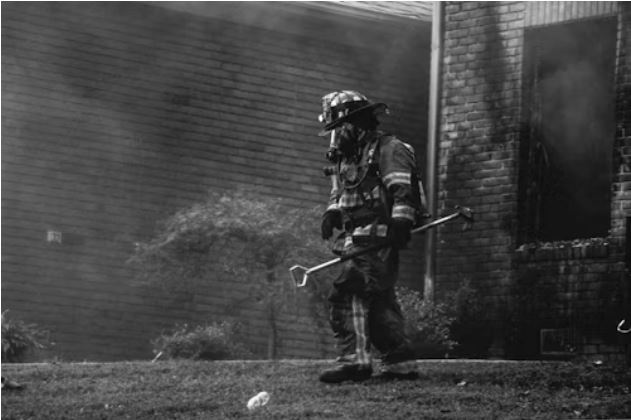
Fire prevention measures are a top priority in most commercial business sites across Australia. This is because business owners don’t only face normal fire hazards but also the risk of being struck by annual bushfires.
There are many aspects to fire prevention which include doing regular fire hydrant repairs and teaching your employees what to look for to avoid fires. With that in mind, our experts have compiled a list of tips to help you and your team reduce the risk of a fire at your commercial workplace.
Prevention is Key to Safeguarding Your Premises
Ideally, fire prevention should be something that everyone works toward. While management needs to ensure that equipment is regularly serviced and tested, the rest of the team can get involved by doing simple checks. Here’s our list of simple tips that everyone can get involved with.
1. Invest in the Right Type of Fire Equipment
Currently, Australian Law dictates that all businesses should have properly functioning fire equipment and systems in place. Not having the necessary fire equipment deemed necessary for your type of property will ensure that your business is legally compliant.
If you’re not sure what type of fire equipment your property needs, we urge you to speak to a commercial or civil plumber as soon as possible. They will advise you of the type of system you need, as well as how often it needs to be assessed and serviced. This can include any of the following systems:
- Fire hydrants and hose reel systems
- In-ground fire systems
- Wate meter setups and tapping to incorporate fire service booster assemblies
2. Test Your Equipment
It doesn’t help to just install all the necessary equipment if it doesn’t work when you need it. Typically, the type of business you’re going to will determine the type and quantity of fire extinguishers you’ll need, but the onus is still on you to ensure they work, and more importantly, employees know how to use them. Set aside time every month to practice fire drills and provide guidelines for using the equipment.
3. Perform an Electrical Risk Assessment
In addition to having fire prevention equipment, you should also strive to prevent fire emergencies in the first place. One of the most effective ways of doing this is by getting an expert (such as an electrician or commercial plumber) to check your wiring, appliances and computers for potential fire hazards.
This involves checking power points, gas lines, and any other appliances or machinery where the power is being used all day. Doing this is especially important in commercial kitchens and factories.
4. Regularly Check the Perimeter of Your Property
Whether you live in a bushfire-risk area or not, it’s important to regularly check the outside of your property for any potential hazards. This can include looking for dangerous objects, harmful chemicals or general garbage that haven’t been disposed of properly.
Ensure that the areas around your property are clean and items are disposed of correctly. Arrange for weekly or bi-weekly garbage collections to ensure that hazardous materials aren’t left lying in the sun for days on end.
5. Check Your Landscaping
If you have trees, shrubs or any part of greenery around your property, it’s important to have this cleared out and maintained. Keep in mind that piles of leaves and dry shrubs and branches pose a fire risk. It only takes a single bushfire ember carried by the wind to start a fire on your property.
6. Designate and Check Smoking Areas
Create designated smoking areas for your employees. Be sure to add small metal drums or concrete bins for cigarette buts. Not only will this keep the area neat, but it will reduce the risk of a discarded but setting something a blaze. This area should be checked when the outside perimeter is checked.
7. Train Your Staff
Whether you’re working in an office, a commercial kitchen or an industrial factory, all staff should be trained in simple fire hazard prevention. This includes the following pointers:
- Keep flammable materials away from heat sources (such as oil near a stove)
- Never leave appliances or machines unattended
- Ensure that computer or appliance wires and cables are connected correctly and don’t lie bunched on a pile under the table
- Don’t overload electrical outlets
- Check electrical cords for damages and if the cord is getting hot, plug it out immediately
- Ensure that heaters and air conditioning units are switched off when not in use as well as before closing the business
- Don’t place plastic dustbins near a heat source
- Ban staff and customers from smoking inside the building
- Educate all staff on the processes to follow if you’re in a bush-fire-prone area
Final Thoughts
Fires can be devastating and not only result in many fatalities each year but can also lead to severe property damage. It’s important to implement the right procedures and training to keep all employees aware of the latest fire prevention tips. Speak to your local commercial or civil plumber to ensure that your equipment and maintenance plans are up to date!