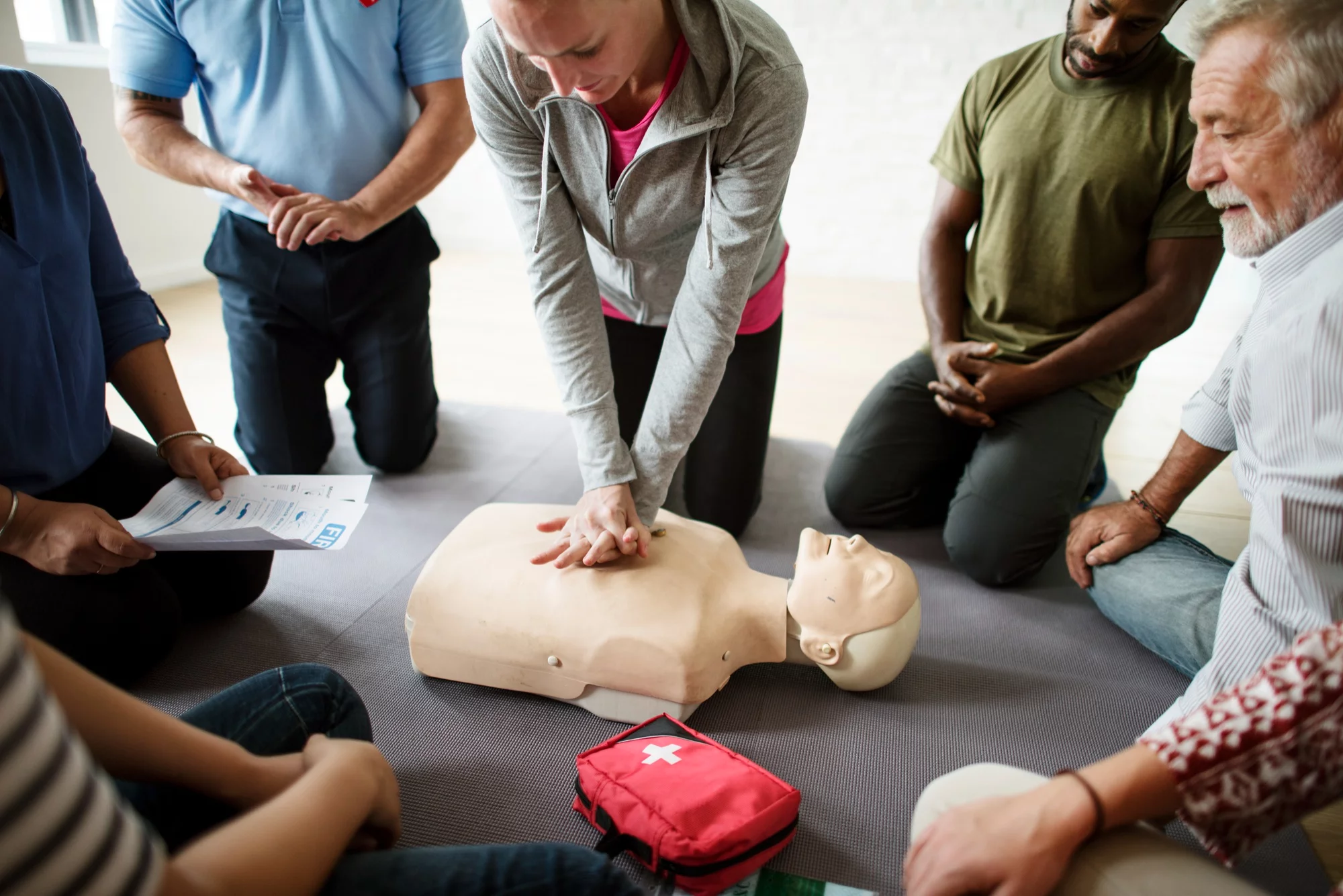
First aid and CPR training equip individuals with the knowledge and skills to help others in life-threatening situations. Beyond the physical and medical aspects, learning these techniques has a profound spiritual impact. Helping someone in distress can create a deep connection, responsibility, and purpose. Many people find that assisting others in moments of crisis aligns with their inner values, providing a sense of fulfillment and reinforcing the importance of compassion.
Saving a life or reducing another person’s suffering can be a spiritual experience that strengthens emotional resilience, promotes selflessness, and deepens a person’s commitment to serving others. First aid and CPR training offer more than just the ability to respond in emergencies—they provide a pathway to personal growth and a stronger sense of unity with humanity. We will explore how these life-saving skills contribute to spiritual well-being, offering a deeper understanding of how compassion, courage, and mindfulness play a role in emergency response.
Ways life-saving skills contribute to spiritual well-being
-
A Deeper Sense of Purpose Through Helping Others
One of the most significant spiritual benefits of first aid and CPR training is the sense of purpose it provides. The ability to step in and assist someone in distress gives individuals an apparent reason to act, reinforcing the importance of human connection and service. Many people search for ways to make a meaningful impact, and learning how to save lives powerfully fulfills that need.
Knowing that one’s actions can directly influence the outcome of a life-or-death situation adds a sense of responsibility that extends beyond personal interests. It reminds individuals that their existence is valuable not just for themselves but also for the well-being of others. In moments of emergency, those trained in first aid and CPR become instruments of relief and hope. This sense of purpose fosters personal growth and strengthens the desire to be of service, creating a spiritual connection between the responder and those in need.
-
Developing Compassion and Empathy
First aid and CPR training cultivate a deep sense of compassion and empathy. When individuals learn these skills, they are prepared to put the well-being of others above their comfort. Whether assisting a stranger or a loved one, responding in an emergency requires a mindset of care and concern for another person’s suffering.
This training encourages individuals to recognize human life’s vulnerability and respond with kindness and understanding. It reinforces the idea that everyone deserves care and assistance regardless of background or circumstance in their most critical moments. By offering help in times of need, individuals strengthen their ability to connect with others emotionally and spiritually. Compassion becomes more than a feeling—it becomes an action that can heal, protect, and uplift those struggling.
-
Courage and Overcoming Fear in Emergency Situations
Facing an emergency can be overwhelming, but first aid and CPR training help individuals develop the courage needed to take action. Many people hesitate when confronted with a crisis, fearing that they may do something wrong. However, training provides the knowledge and confidence to respond effectively. This ability to overcome fear and step forward in moments of crisis is a profoundly spiritual experience that strengthens inner resilience.
Taking action when others are in distress requires knowledge and a willingness to confront fear and uncertainty. This willingness is a form of spiritual growth, as it demonstrates the ability to put aside personal doubts and focus on the needs of others. Acts of bravery in emergencies strengthen an individual’s character, reinforcing the idea that courage is not the absence of fear but the determination to act despite it.
-
Mindfulness and Presence in the Moment
Emergencies demand complete focus and attention, making first aid and CPR training an exercise in mindfulness. Every second matters when responding to an injured or unconscious person, requiring individuals to remain fully present and aware of their surroundings. This level of mindfulness is a spiritual practice in itself, as it emphasizes being in the moment without distraction or hesitation.
Responding effectively requires clear thinking, patience, and control over emotions. Training encourages individuals to slow down, assess the situation, and take deliberate actions. This ability to stay present and grounded carries over into daily life, improving focus and emotional awareness. By practicing mindfulness in emergencies, individuals learn to apply the same level of presence to other aspects of their lives, leading to a more centered and balanced state of mind.
-
Building a Sense of Community and Connection
First aid and CPR training also foster a sense of connection within families, workplaces, and communities. When people come together to learn life-saving skills, they strengthen their collective ability to protect one another. This shared responsibility creates a network of individuals prepared to support each other in times of crisis.
Knowing that others are trained in CPR brings reassurance, which means more people are prepared to step in during a crisis. Those seeking essential skills and certification can benefit from training in CPR Toronto, which provides hands-on experience and professional instruction. Investing in CPR education equips individuals with practical knowledge and cultivates a culture of care, preparedness, and compassion.
First aid and CPR training offer more than just practical skills—they provide a spiritual foundation that enhances compassion, courage, mindfulness, and community connection. The ability to assist someone in a life-threatening situation gives individuals a deep sense of purpose, reinforcing the importance of human kindness and service. Learning these life-saving techniques develops empathy, strengthens character, and promotes a sense of unity with others.
Overcoming fear, staying present in emergencies, and fostering a commitment to helping others all contribute to personal and spiritual growth. By embracing the responsibility of being prepared for emergencies, individuals become more connected to the world around them. These skills save lives and nurture the human spirit, creating a culture of care and selflessness. Learning first aid and CPR is an investment not just in practical knowledge but in the values that define a compassionate and mindful society.