
https://finanzasdomesticas.com/principales-riesgos-mundiales-2021/, The world has experienced significant shifts in recent years, with global events shaping the political, economic, and environmental landscapes. From the economic disruptions caused by the COVID-19 pandemic to escalating international tensions, the world is witnessing a period of unprecedented challenges and transformation.
Latin America, the Middle East, Turkey, and the U.S.-China relations are areas of particular concern, as each faces unique yet interconnected issues that impact global stability. The effects of COVID-19, with its widespread economic and social consequences, continue to linger in many countries, contributing to political instability and financial struggles.
COVID-19 and Elections in Latin America
In Latin America, the impact of COVID-19 extended far beyond health, affecting the region’s political and economic systems. Many countries were forced to delay or alter their electoral processes due to the pandemic, while some governments faced growing public dissatisfaction over their handling of the crisis.
The economic strain caused by the pandemic deepened inequalities and fueled political unrest, making elections a battleground for voters seeking change. In countries like Brazil and Chile, populist candidates capitalized on public frustration with government responses, leading to a shift in political power.
Elections became a reflection of the desire for new leadership that could address the mounting challenges, including unemployment, poverty, and corruption. Despite the rise in populism, the region witnessed greater attention to democratic processes, with many voters increasingly aware of the need for transparent leadership and accountability.
The pandemic’s long-lasting effects on Latin America’s political landscape will continue to shape the region’s elections for years to come.
Low Energy Prices in the Middle East

The Middle East, traditionally known for its vast oil reserves, has been grappling with low energy prices that have significantly impacted its economies. The global shift toward renewable energy sources, coupled with reduced demand for oil due to the COVID-19 pandemic and the geopolitical landscape, has led to fluctuations in oil prices.
As a result, many countries in the Middle East, which heavily rely on oil exports, have faced severe financial strain. Saudi Arabia, Iraq, and other Gulf nations have had to adjust their budgets, leading to public spending cuts, delayed infrastructure projects, and increased austerity measures. While some countries have diversified their economies to reduce dependence on oil, the region remains vulnerable to price volatility.
Efforts to boost alternative energy production and invest in technology are ongoing, but the transition is slow, and the region’s financial stability remains tied to the global oil market. As energy prices remain uncertain, the Middle East faces a complex future in balancing economic diversification and oil dependency.
Economic Pressures in Turkey
Turkey has been facing significant economic pressures, particularly due to high inflation, currency depreciation, and rising unemployment. The Turkish lira has lost considerable value against the U.S. dollar in recent years, leading to higher import costs and reduced purchasing power for citizens. The government’s monetary policies, including low interest rates, have sparked controversy, as many economists argue they have exacerbated inflation and weakened the country’s financial stability.
In addition, the global pandemic severely impacted Turkey’s tourism sector, which is a major contributor to its economy. As Turkey’s economic woes continue, the country is also dealing with high levels of debt, both public and private, which further strains its economic outlook. Domestic political instability has added another layer of complexity, as the ruling government faces criticism for mishandling economic challenges.
Despite attempts to implement reforms, Turkey’s economy remains fragile, and the pressure on its citizens continues to mount. To secure long-term stability, the country will need to adopt new economic policies and address underlying issues.
Escalating Tensions Between the U.S. and China

Tensions between the United States and China have been escalating in recent years, with both nations clashing over a variety of political, economic, and military issues. Trade disputes, intellectual property theft accusations, and the growing competition for global influence have contributed to a deteriorating relationship. The U.S. has imposed tariffs on Chinese goods, while China has retaliated with its economic measures.
Additionally, both countries are vying for technological supremacy, with the U.S. attempting to limit China’s access to critical technologies such as semiconductors. The situation is further complicated by issues related to Taiwan, Hong Kong, and the South China Sea, where the U.S. has consistently challenged China’s territorial claims.
The ongoing rivalry is playing out in international institutions, trade policies, and regional security dynamics, leading to concerns over a potential “new cold war.” While both sides have sought to engage diplomatically, trust remains low, and the geopolitical competition is likely to intensify, affecting global economic stability, trade relations, and international cooperation for years to come.
Climate Change and Global Competition
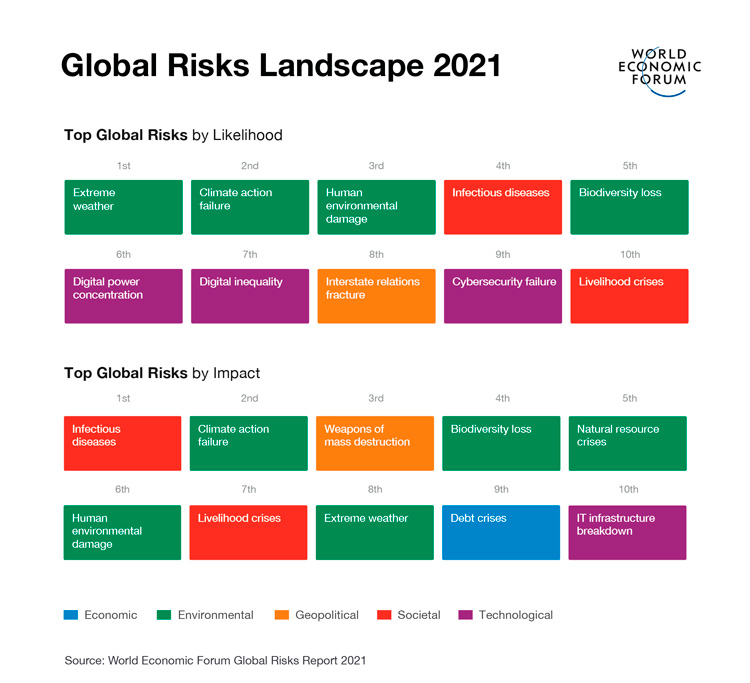
Climate change has become one of the most pressing issues of the 21st century, driving both cooperation and competition among nations. As the global temperature rises and extreme weather events become more frequent, countries are forced to address the environmental impacts while navigating economic and geopolitical concerns. The competition for green technologies and sustainable resources has intensified, with nations vying to lead the transition to renewable energy sources. The U.S. and China, two of the largest carbon emitters, are engaged in a fierce rivalry not only in terms of industrial output but also in green innovation.
The race to dominate the market for electric vehicles, solar panels, and wind energy has sparked investments in technology and infrastructure, with both countries striving for energy independence and economic growth.
On a regional level, nations in Africa, Latin America, and Southeast Asia are experiencing the direct impacts of climate change, from rising sea levels to droughts, leading them to compete for international aid and investment in adaptation measures. As climate change continues to affect the global economy, international competition for sustainable solutions will only increase.
Long and Unequal Recovery from COVID-19
The recovery from the COVID-19 pandemic has been long and unequal, with different regions and countries experiencing vastly different timelines and outcomes. Developed nations have largely recovered, thanks to robust healthcare systems, early vaccination rollouts, and substantial economic stimulus packages. In contrast, many developing countries continue to face challenges in controlling the virus and rebuilding their economies.
Limited access to vaccines, weaker healthcare infrastructure, and a lack of financial resources have hindered recovery in regions such as Africa and parts of Latin America. The pandemic has exacerbated existing inequalities, with marginalized communities suffering disproportionately, particularly in terms of access to healthcare, education, and employment.
As a result, the economic gap between rich and poor nations has widened, and long-term social consequences are becoming evident. In the post-pandemic world, countries will need to focus on building resilience, improving healthcare systems, and ensuring that recovery efforts are inclusive. Global cooperation will be essential to addressing these disparities and creating a more equitable future for all.
Political Instability in Latin American Countries
Political instability in Latin America has been a recurring issue, with many countries grappling with corruption, weak institutions, and public discontent. Nations like Venezuela, Nicaragua, and Brazil have witnessed political unrest as citizens protest against government policies and the lack of accountability. In Venezuela, economic collapse and authoritarian governance have fueled mass migration and social unrest.
In countries like Chile and Bolivia, political transitions have been marked by public uprisings and widespread calls for reform. These challenges often stem from deeply rooted issues such as income inequality, corruption, and the concentration of political power in the hands of elites.
As a result, Latin American governments have struggled to maintain political stability, and the region has seen a rise in populist leaders promising to address citizens’ frustrations. While some countries have managed to stabilize through democratic reforms, many continue to face political gridlock and institutional fragility. The road ahead for Latin America will require strengthening democratic institutions and fostering political inclusivity to ensure long-term stability and progress.
Financial Instability and Social Unrest in the Middle East
The Middle East has long struggled with financial instability, and recent events have further compounded the region’s economic and social challenges. Countries such as Lebanon and Iran have faced crippling economic crises, including hyperinflation, currency devaluation, and rising unemployment.
These economic pressures have led to widespread public dissatisfaction, sparking protests and social unrest. In Lebanon, the collapse of the banking system and the aftermath of the Beirut explosion have left the population grappling with severe poverty and insecurity. Meanwhile, Iran has faced ongoing economic sanctions, which have exacerbated the financial strain on its citizens.
The combination of financial instability and political repression has fueled frustrations, with many turning to the streets to demand change. In some countries, such as Syria and Iraq, the lingering effects of conflict have further destabilized the economy, leaving millions of people in need of humanitarian aid.
The social unrest resulting from these economic pressures is likely to persist until meaningful reforms are implemented, including improved governance, economic diversification, and international support for recovery efforts.
Frequently Asked Questions
How has COVID-19 impacted elections in Latin America?
The pandemic caused delays and disruptions to elections, forcing governments to adapt voting systems. In some countries, political instability and dissatisfaction with government responses to COVID-19 influenced election outcomes.
Why are energy prices low in the Middle East?
Low energy prices are due to a combination of global oversupply, reduced demand during the pandemic, and the Middle East’s reliance on oil exports. Countries are working on diversifying their economies to mitigate these effects.
What economic challenges is Turkey facing?
Turkey struggles with high inflation, currency devaluation, and rising unemployment, exacerbating economic instability. Political factors, such as government policies and external tensions, also contribute to the country’s financial difficulties.
What are the main sources of tension between the U.S. and China?
Tensions arise from trade disputes, technology competition, and geopolitical issues. The rivalry has been marked by trade tariffs, intellectual property concerns, and differing stances on Taiwan and other international matters.
How is climate change influencing global competition?
Nations are competing for leadership in green technologies and sustainable resources. The shift toward renewable energy is driving innovation, with countries like the U.S. and China vying for dominance in the global market.
Conclusion
The global landscape is defined by complex issues, including the lingering effects of the COVID-19 pandemic, escalating geopolitical tensions, and the urgent need to address climate change. Latin America, the Middle East, Turkey, and U.S.-China relations are at the forefront of this transformation, facing unique challenges while navigating the interconnected dynamics of a rapidly changing world.
The unequal recovery from the pandemic has highlighted global disparities, making it essential for countries to adopt inclusive and resilient approaches to ensure sustainable growth. Political instability and financial pressures continue to destabilize regions, while the race for green technologies and renewable energy intensifies global competition.
As nations grapple with these challenges, cooperation and adaptation will be key to securing long-term stability. In an increasingly interconnected world, addressing these pressing issues requires collective efforts, both within countries and across borders. Only through global collaboration can we hope to overcome these challenges and create a more stable, equitable, and sustainable future for all.